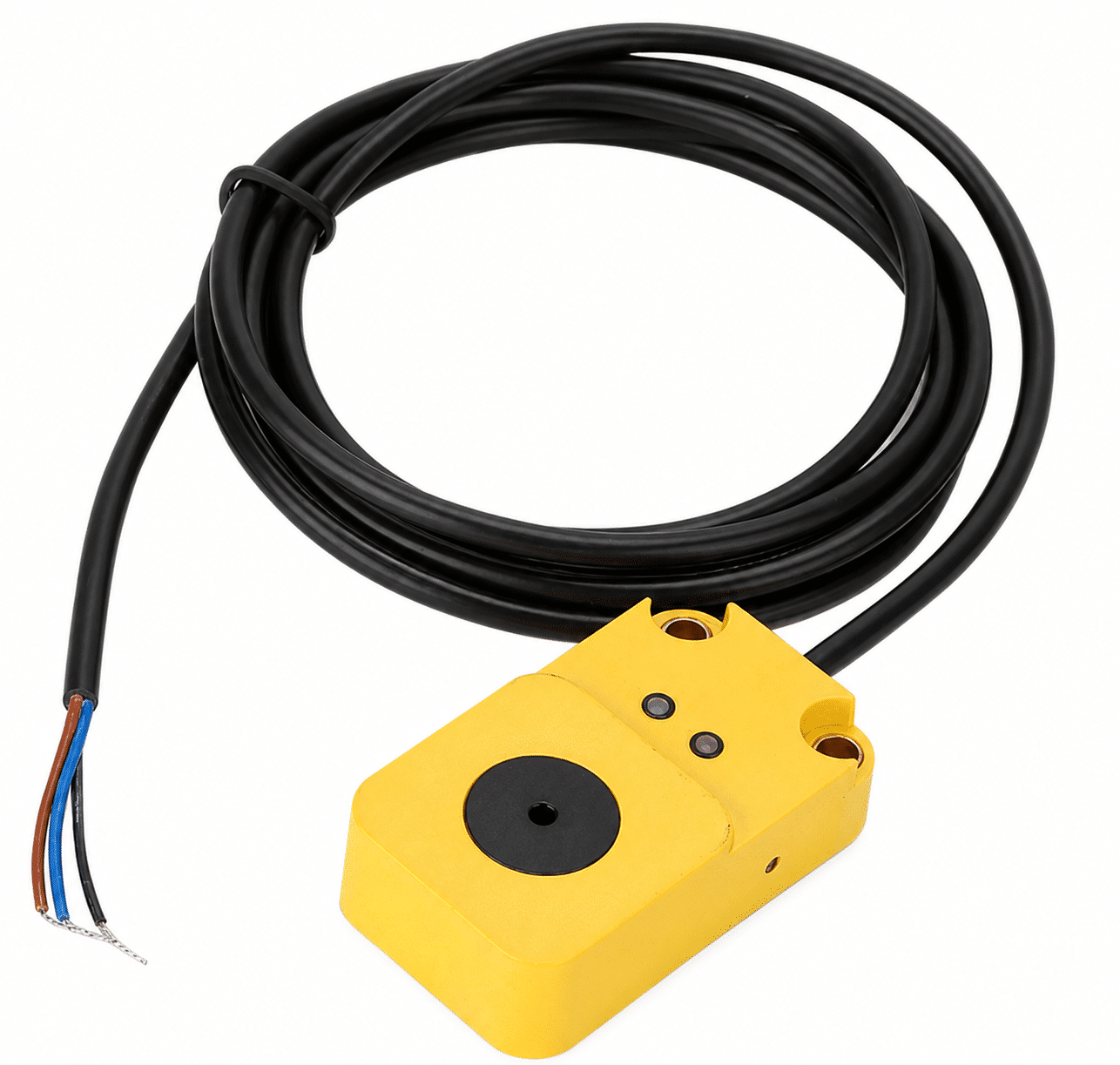
 SZ-M68-3DN
Professional Industrial Sensor Manufacturer

Industrial Automation Sensing
Detect metal parts passing through a sensing aperture. Match the opening to your part and feed path for counting and process monitoring.
Detection Inside the Opening
Ring proximity sensors detect metal inside a sensing aperture rather than at a single front-facing surface. They can be integrated around a guided part path for presence detection, feeder monitoring and counting applications.
Choose the opening from the actual part and tube dimensions. Minimum detectable target, switching behavior and response depend on the model; confirm material, passing speed and controller timing before selecting a sensor.
Our Product Range
Start with the aperture.
Confirm the real target.
SZ-M68-3DN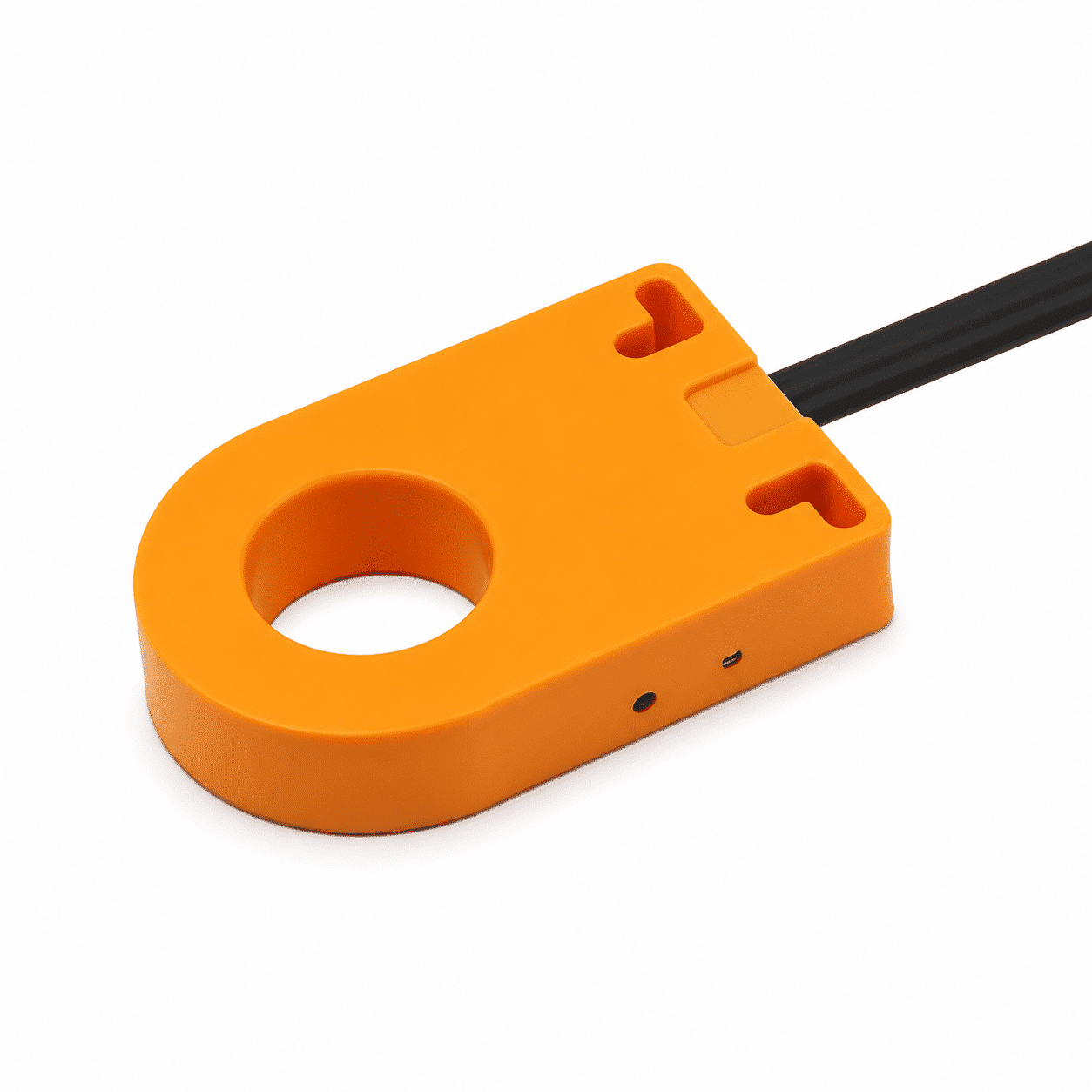 SZ-M55-10DN
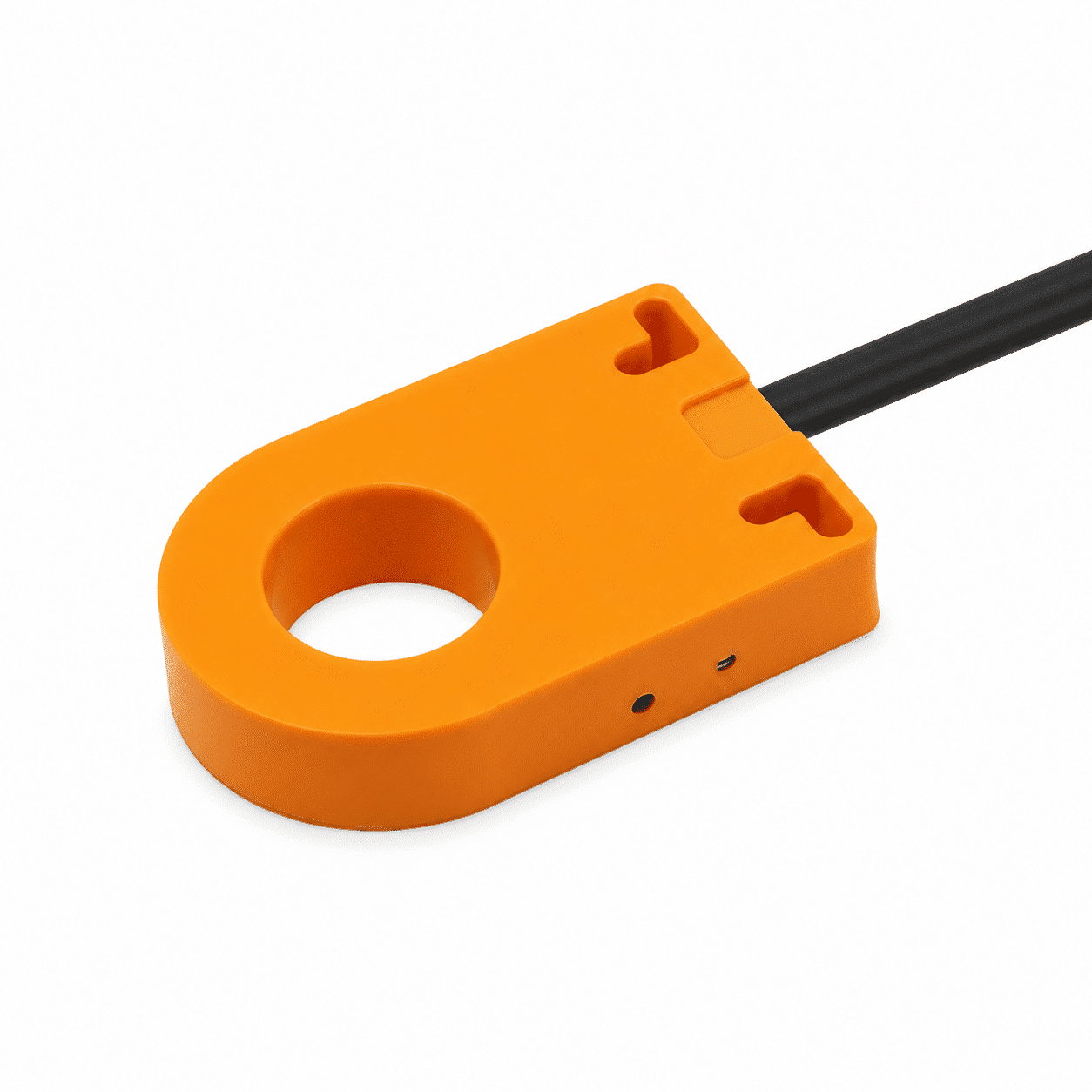 SZ-M74-M30DN
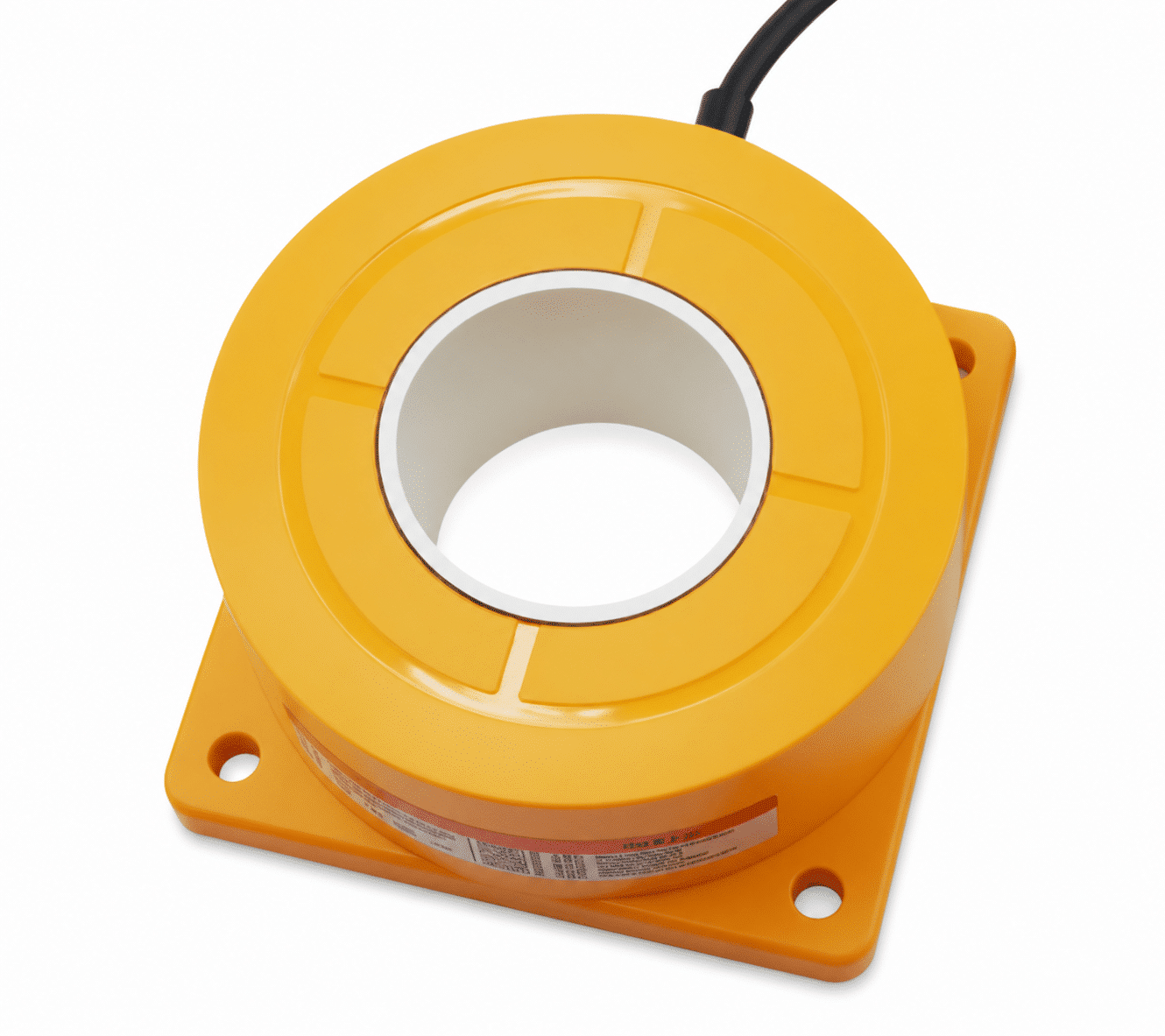 SZ-M80-36DN
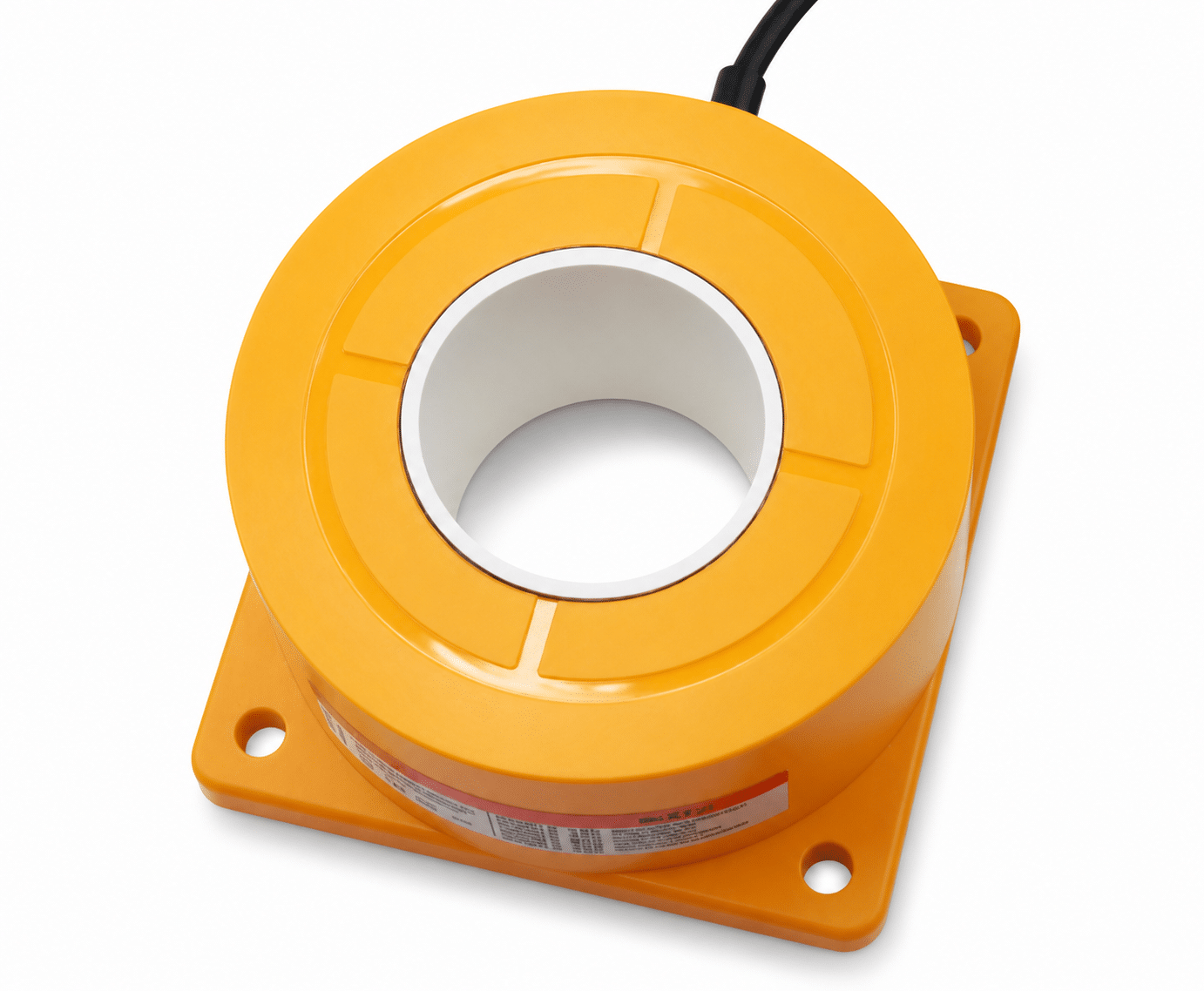 SZ-M100-60DN
 SZ-M100-71DN
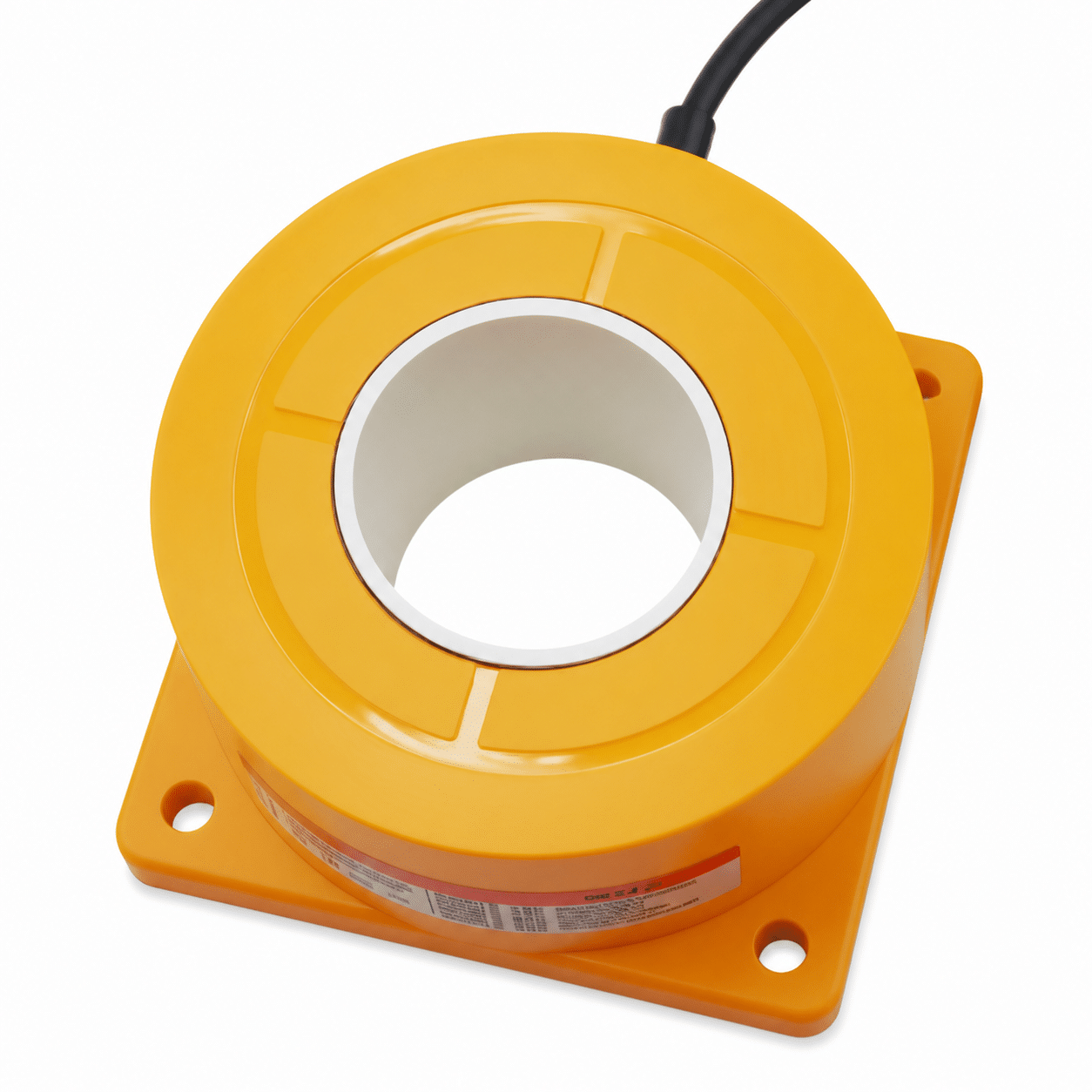 SZ-M137-85DN
 SZ-M137-105DN
Showing products 1 to 6 of 8
Share your part dimensions, tube size, feed speed and controller input.
Find the right sensor for your feed process
Match the sensor to your metal parts, feed path and controller
for dependable detection and counting.
Check the smallest metal part, its material and orientation. Test the actual target rather than relying on aperture size alone.
Allow the part or non-metallic feed tube to pass freely. Keep the path repeatable and confirm the required clearance.
Review part speed and the shortest gap between parts. Match sensor response and signal duration to your PLC or counter.
Choose a model for passing parts or continuous presence detection. Confirm supply voltage, NPN/PNP and NO/NC wiring.
Compare your selection priorities
Start with your feed process.
Match the final specification to the model.
| Selection Profile | Target | Key Check | Detection | Signal Check | Typical Use |
|---|---|---|---|---|---|
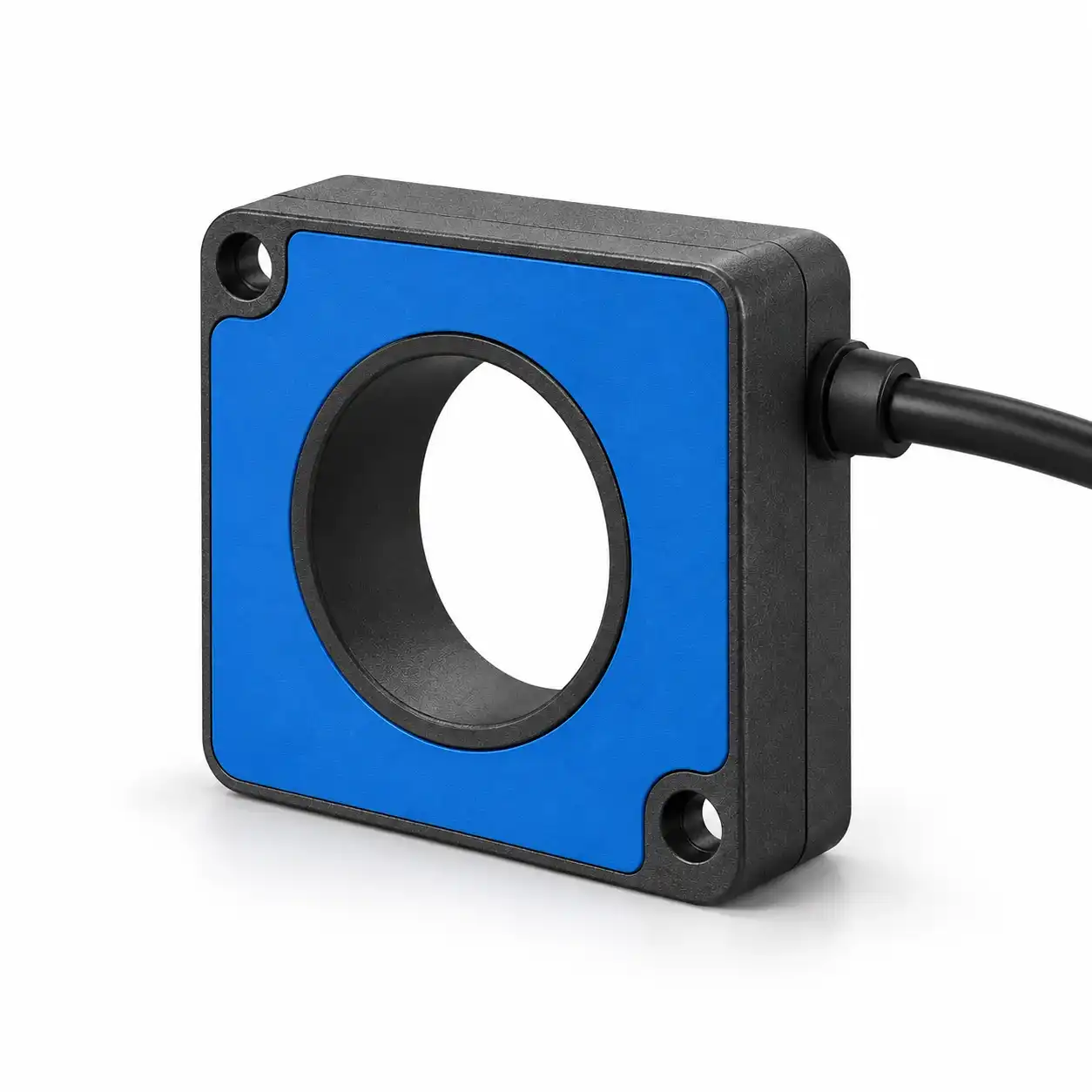 Compact Feed Path |
Small metal parts |
Tube fit and minimum target | Part passage |
Capture each part signal |
Small screw or rivet feeding |
 Part Counting |
Separated metal parts |
Speed and part spacing |
Individual passages |
One signal per part |
Batch counting, assembly checks |
 Larger Feed Path |
Larger metal components |
Aperture clearance and target path | Part passage |
Reliable signal across the path |
Larger fastener or component feeds |
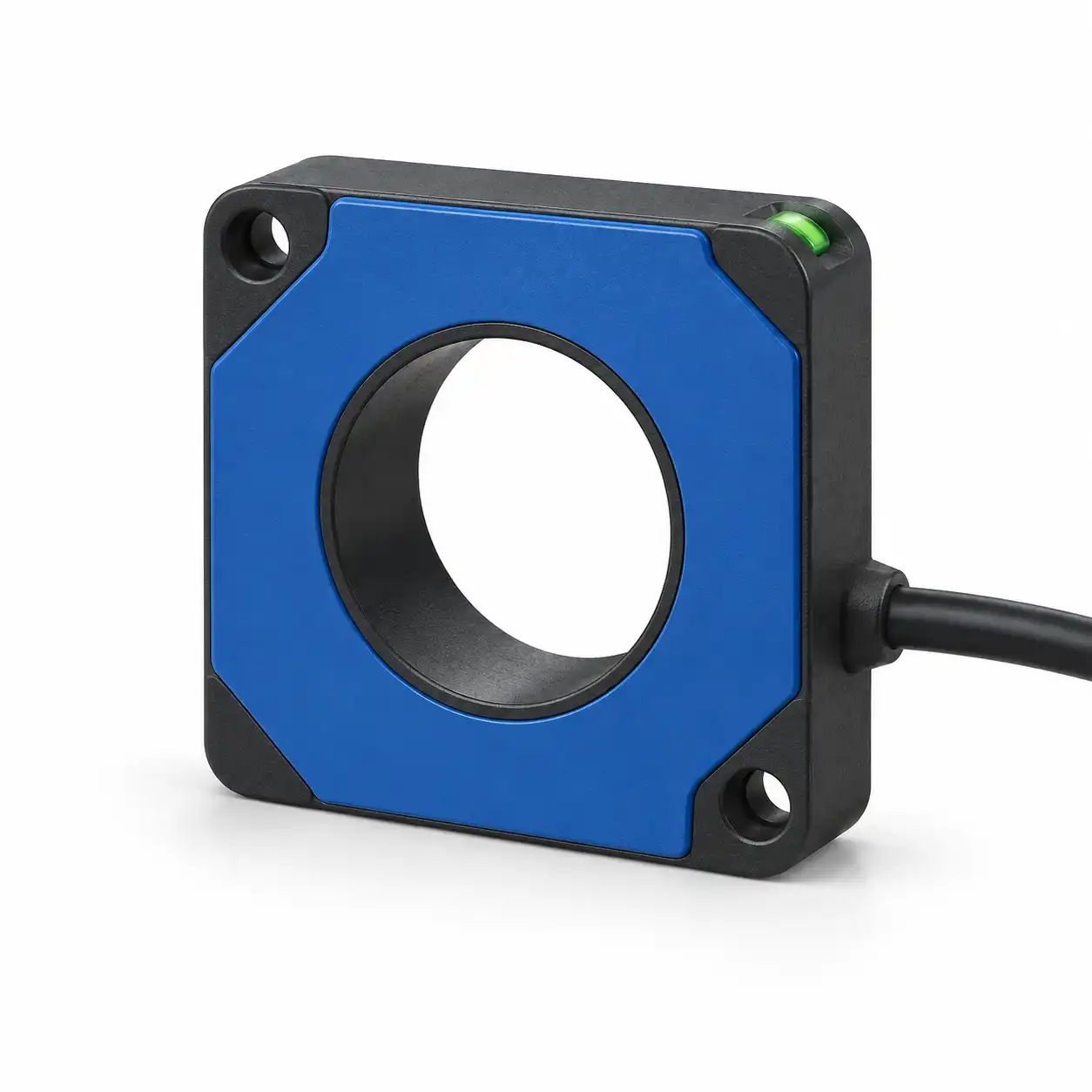 Static Presence Check |
Metal held in the zone |
Static-mode capability |
Continuous presence |
State remains while present |
Presence checks, wire monitoring |
 Fast Passing Parts |
Small moving metal parts |
Minimum target and response time |
Dynamic mode if suitable |
Pulse length and counter input |
Rapid feeding, small-part monitoring |
Validate detection in your actual feed process
Confirm the smallest intended metal part is detected throughout its actual feed path.
Run a known number of parts and check for missed counts or repeated signals at real operating speed.
Verify that the PLC or counter reads each signal, including the fastest parts and shortest spacing.
Test with the actual tube, bracket and surrounding metal. Check vibration and buildup during operation.
Integrate detection into your feeding system
Align the feed path and electrical interface
with the selected ring sensor.
Keep the target path controlled and the sensor securely supported.
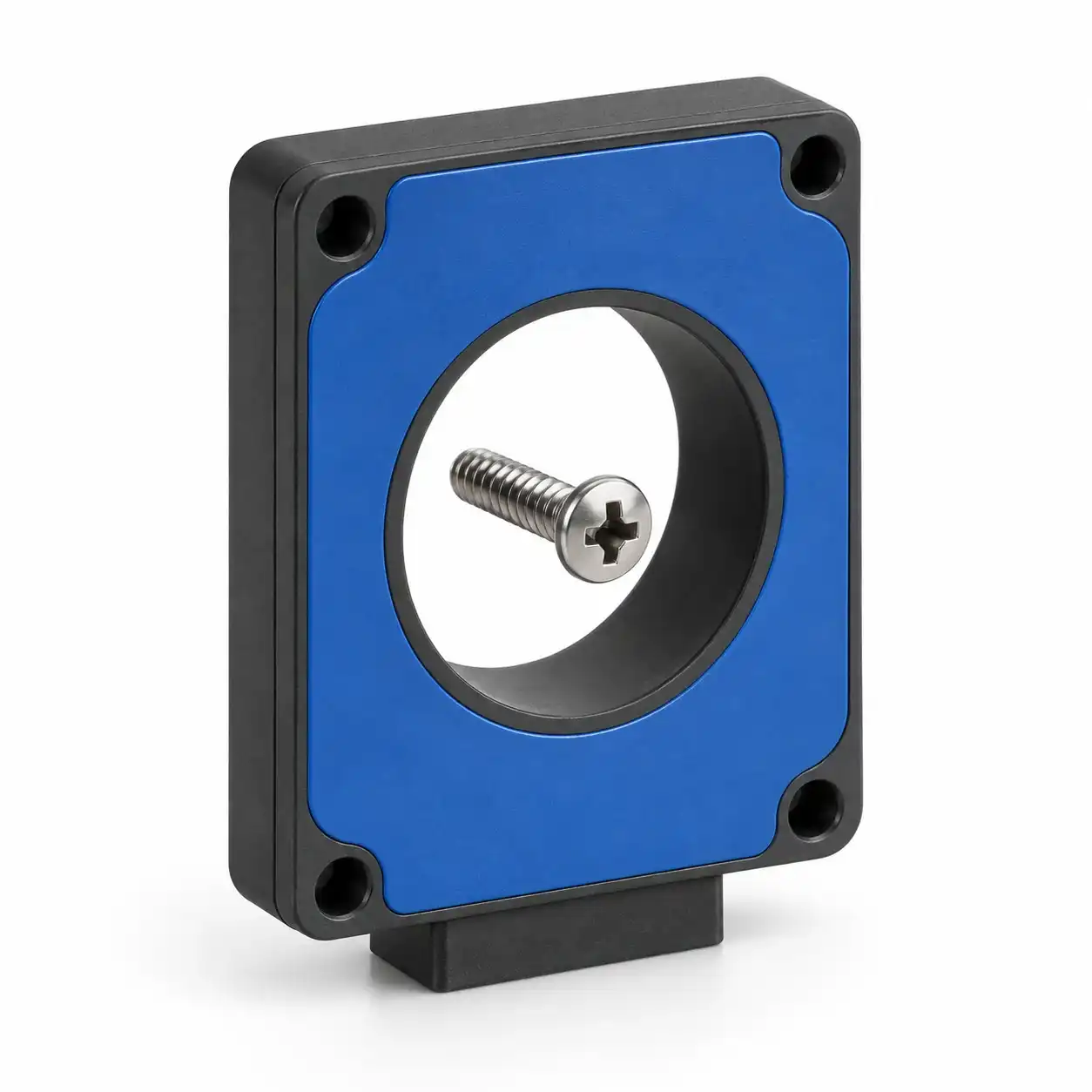
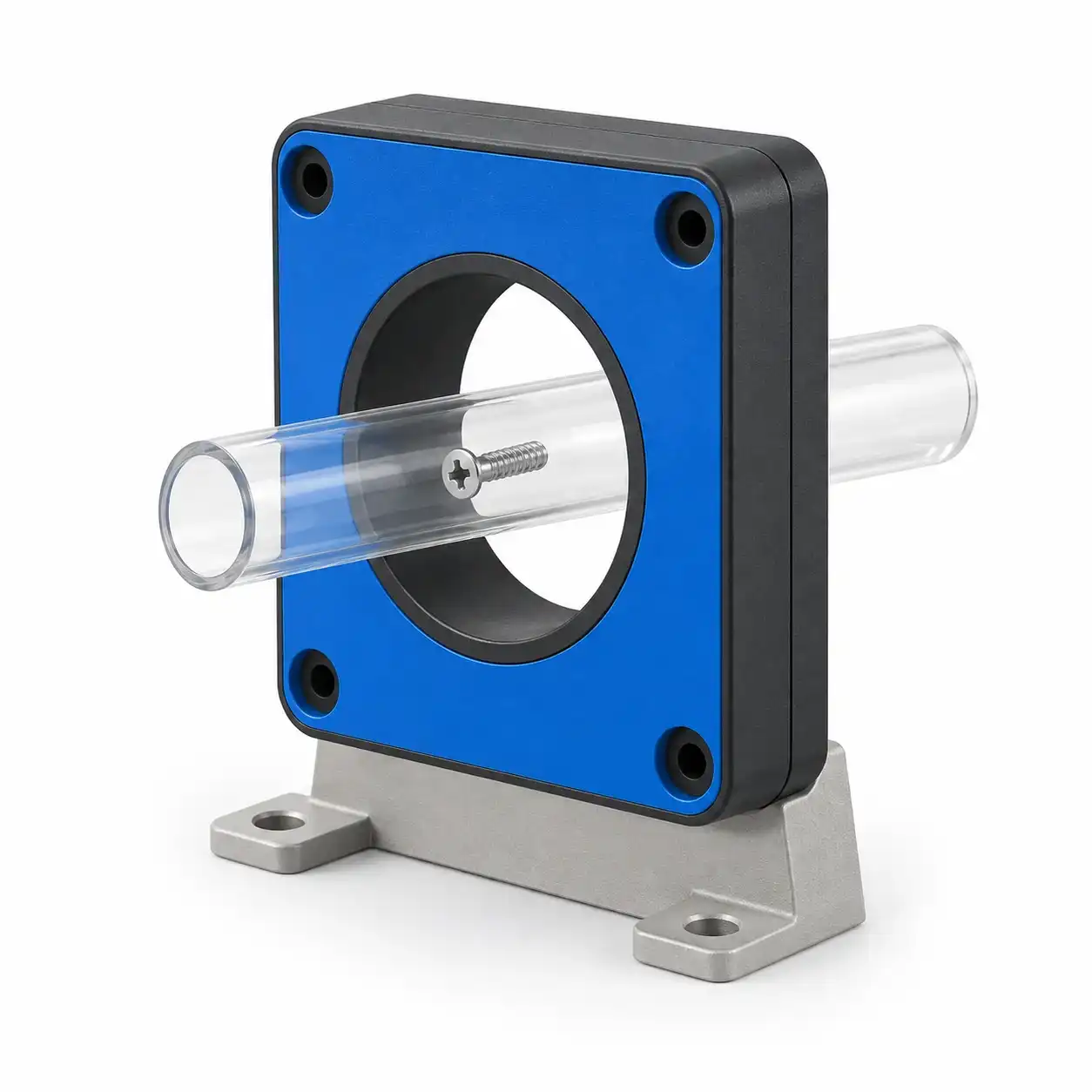
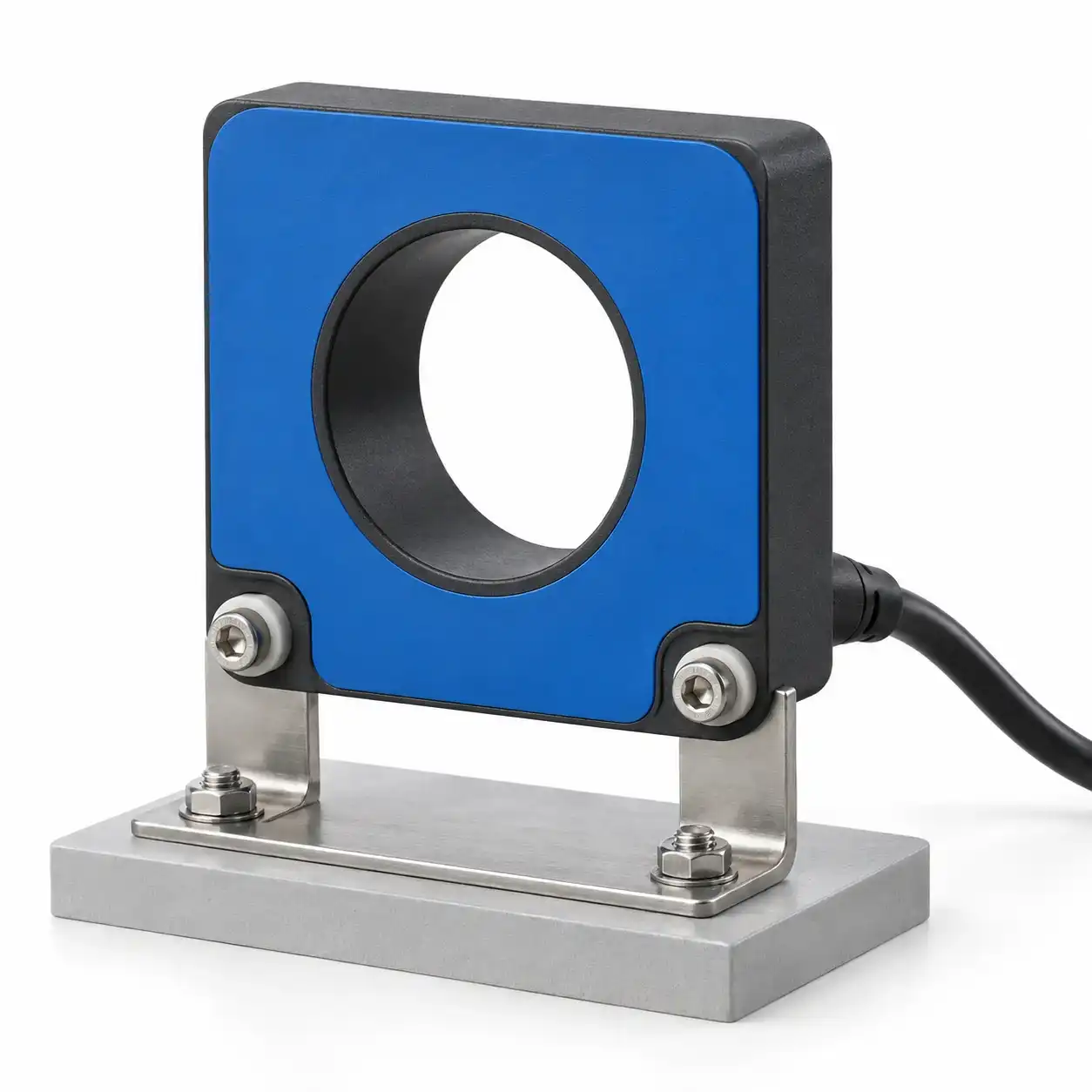
Confirm which functions the selected model supports.
Match the sensor output
to the controller input and wiring.
Select the switching logic
required by your control system.
For metal presence in the sensing zone,
including stationary targets.
For moving metal parts.
Check pulse duration and input timing.
Detect small metal parts as they pass through a sensing aperture. From screw feeding to automated assembly, match the ring sensor to your part size, feed tube and line speed.
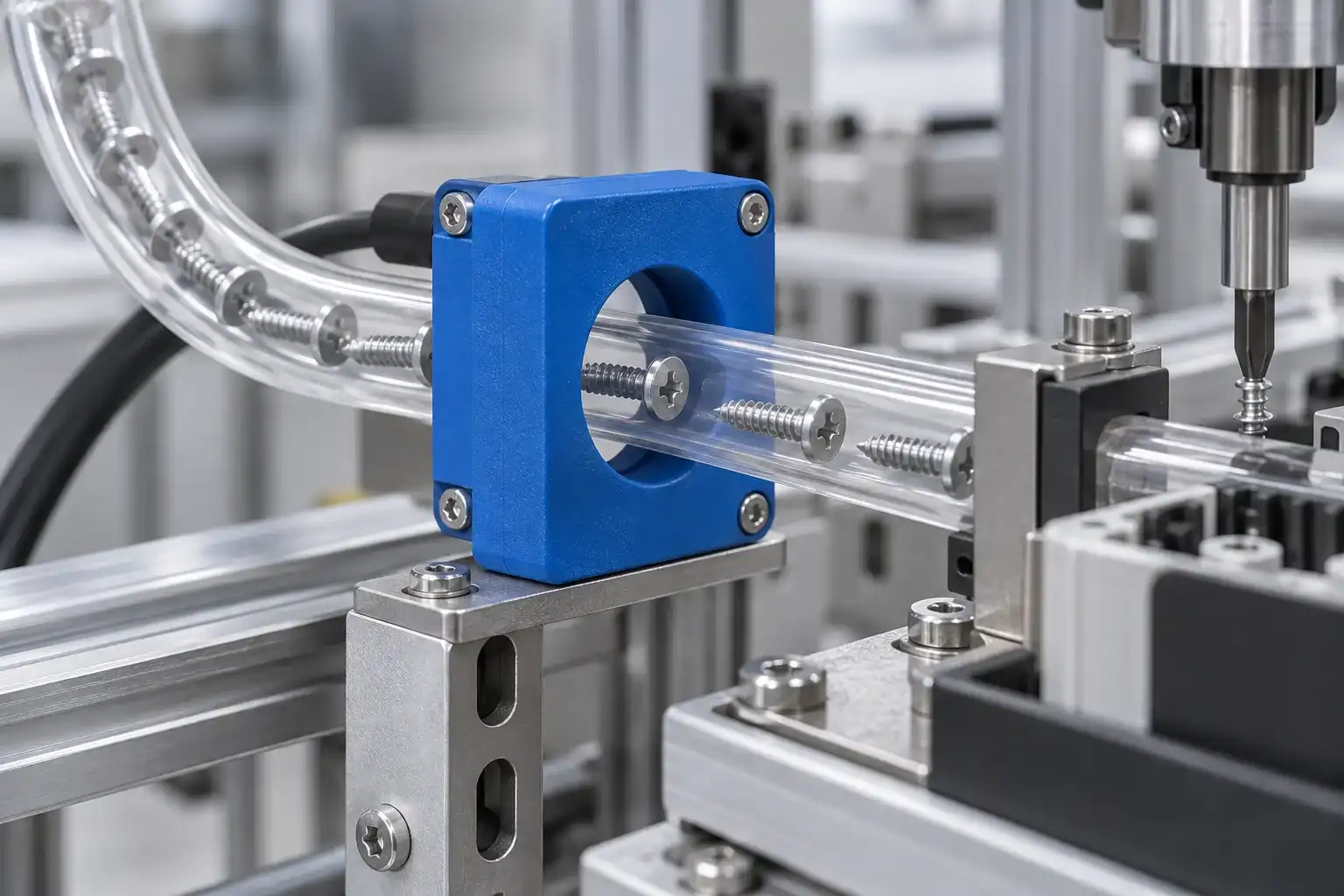
Confirm each metal fastener passes through the feed tube before the assembly cycle.

Count separated screws, pins and rivets on a controlled pass-through path.

Check moving metal springs with a sensor suited to their size and mass.
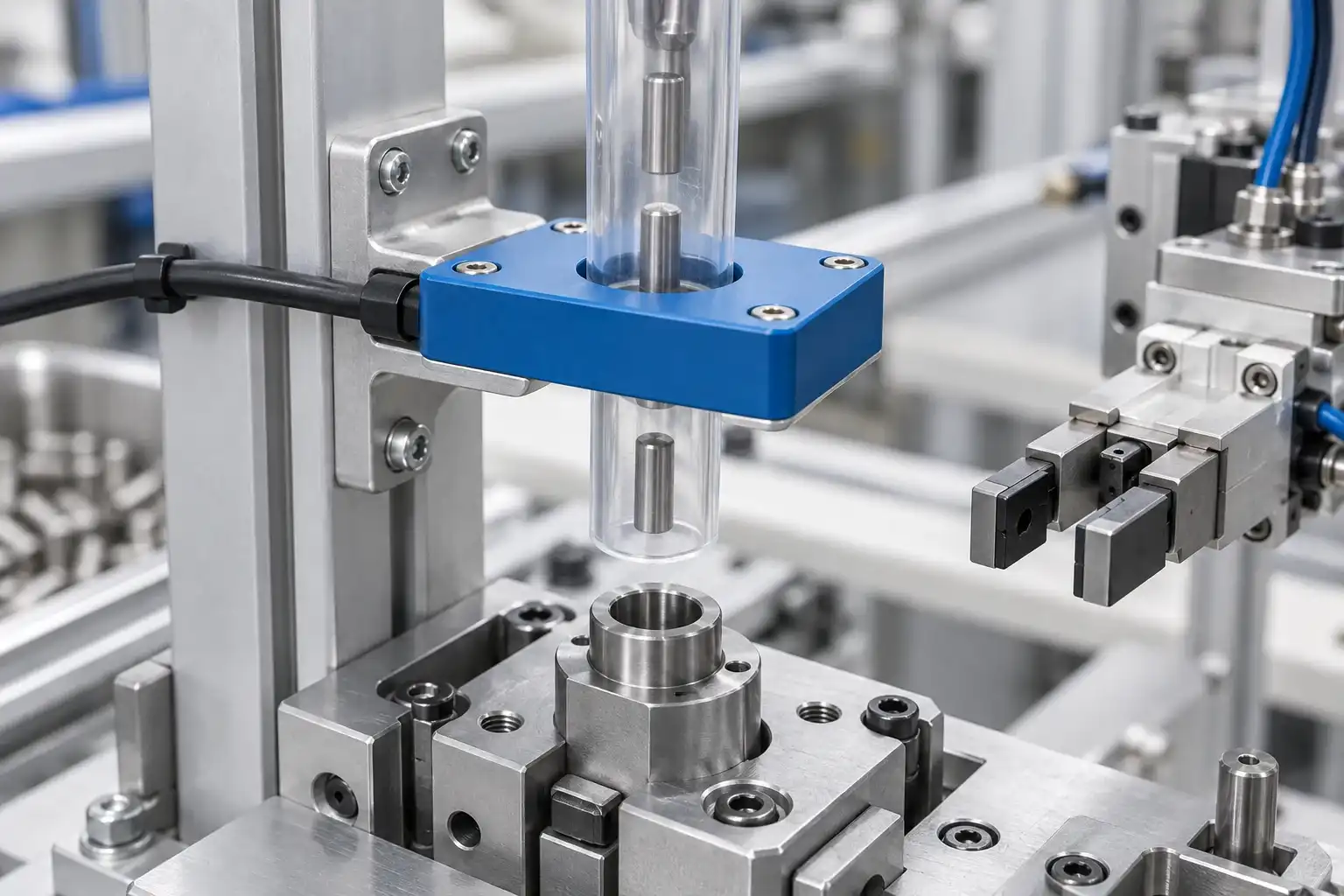
Use the passage signal to verify delivery of a metal component to the next station.
Reliable counting depends on the complete setup: the target, aperture, feed path and controller input. Check these four factors before choosing a model.
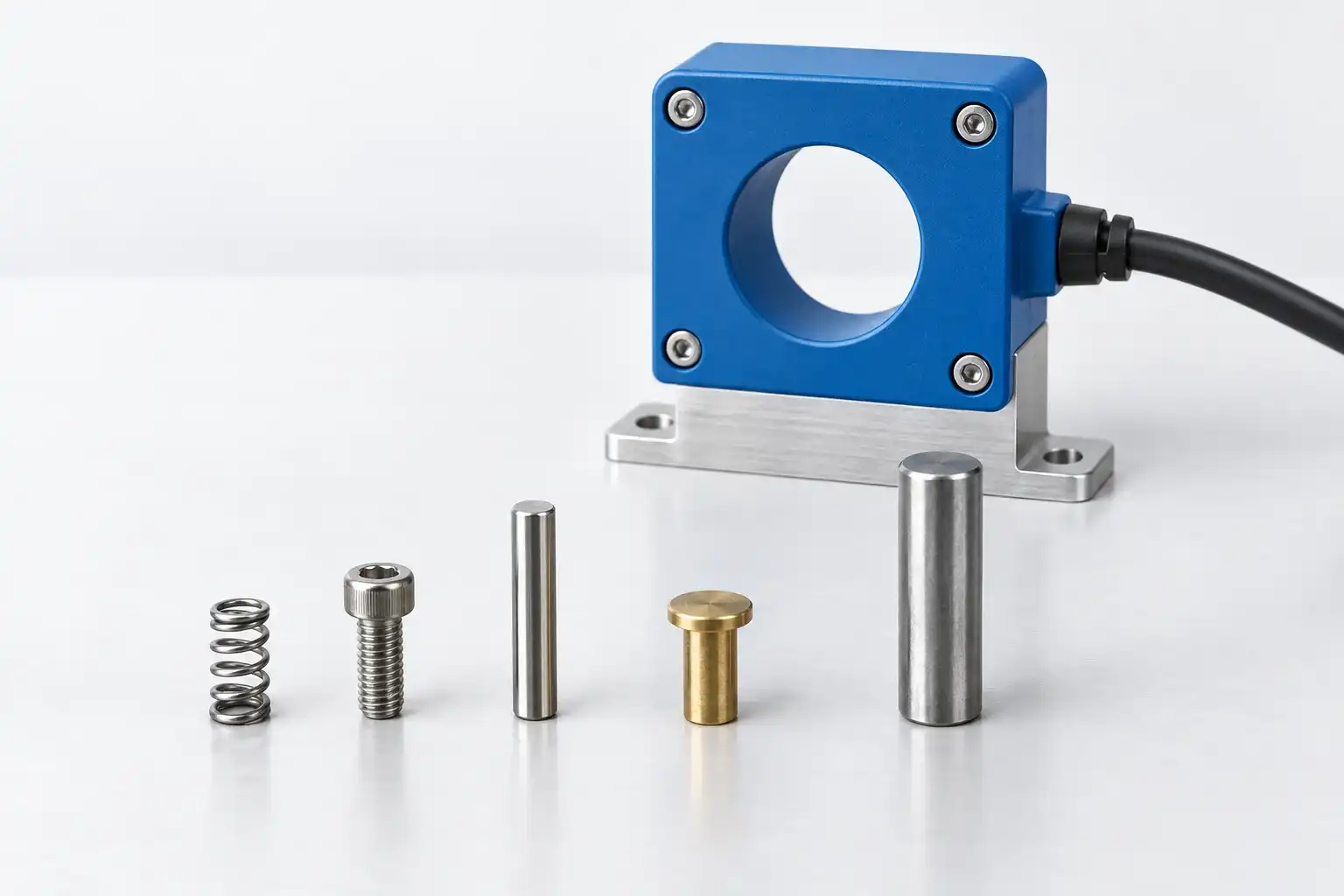
Small or low-mass metal parts may need greater sensitivity. Test the smallest real part and its orientation.

Fit the opening to the non-metallic feed tube and part path. Excess clearance can reduce sensing margin.

Touching or closely spaced parts may not produce separate signals. Verify passage speed and separation.

Match sensor response, output pulse and PLC input timing. Confirm any pulse-extension function by model.
From application review to OEM supply, build a sensing solution around your production line.
Support from
selection to supply.
Review your part,
tube and timing.
Check the selected
configuration.
Validate on your
actual feed line.
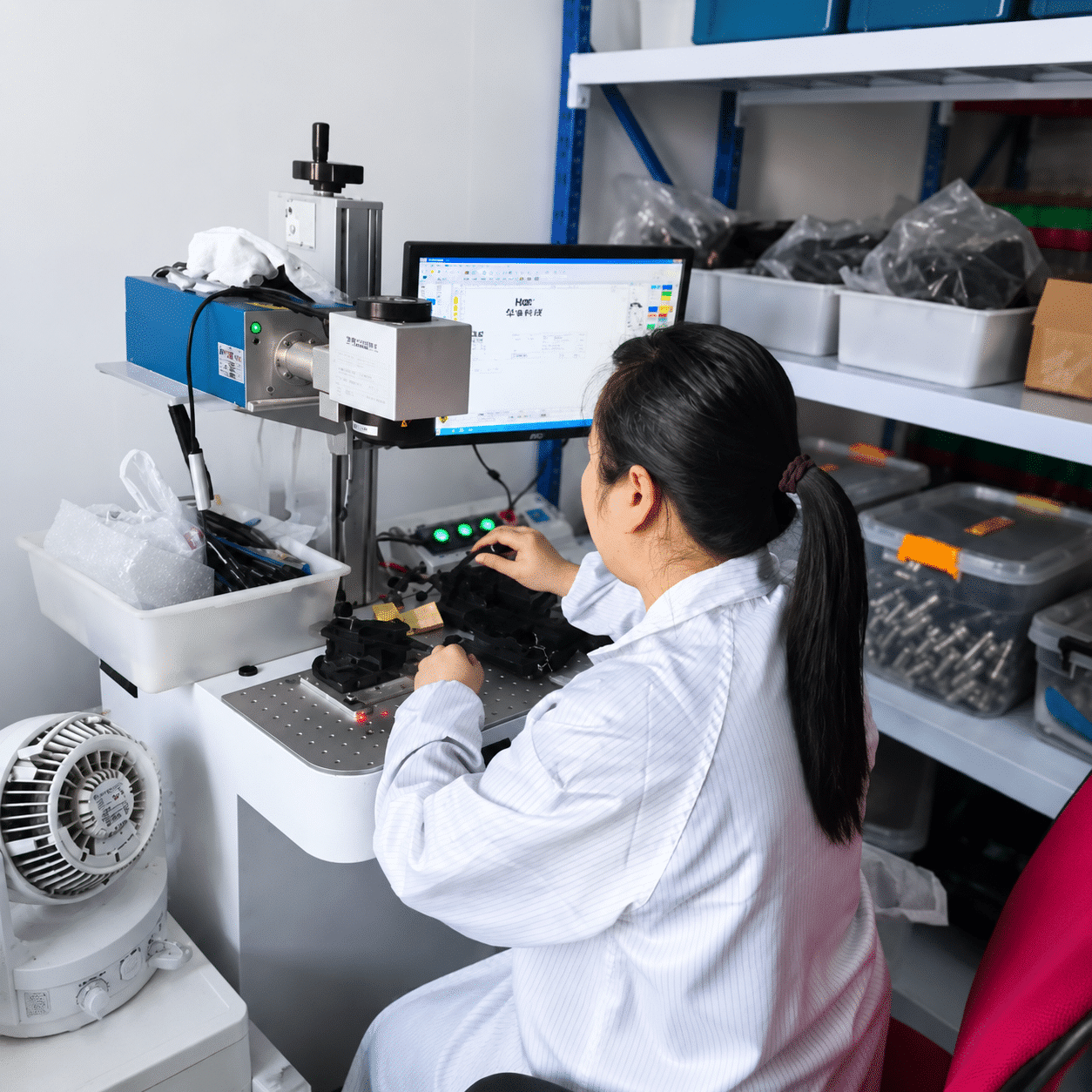
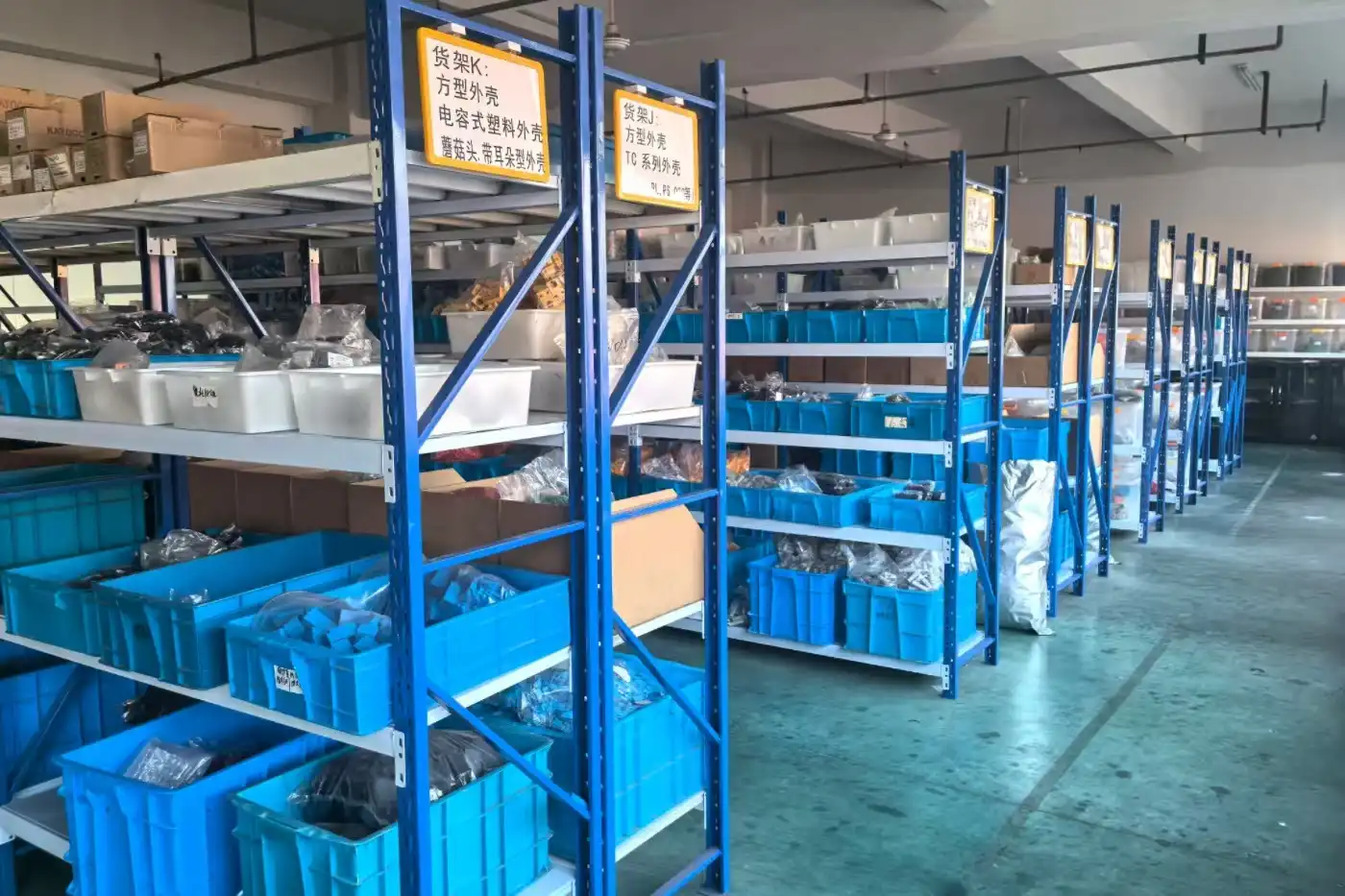
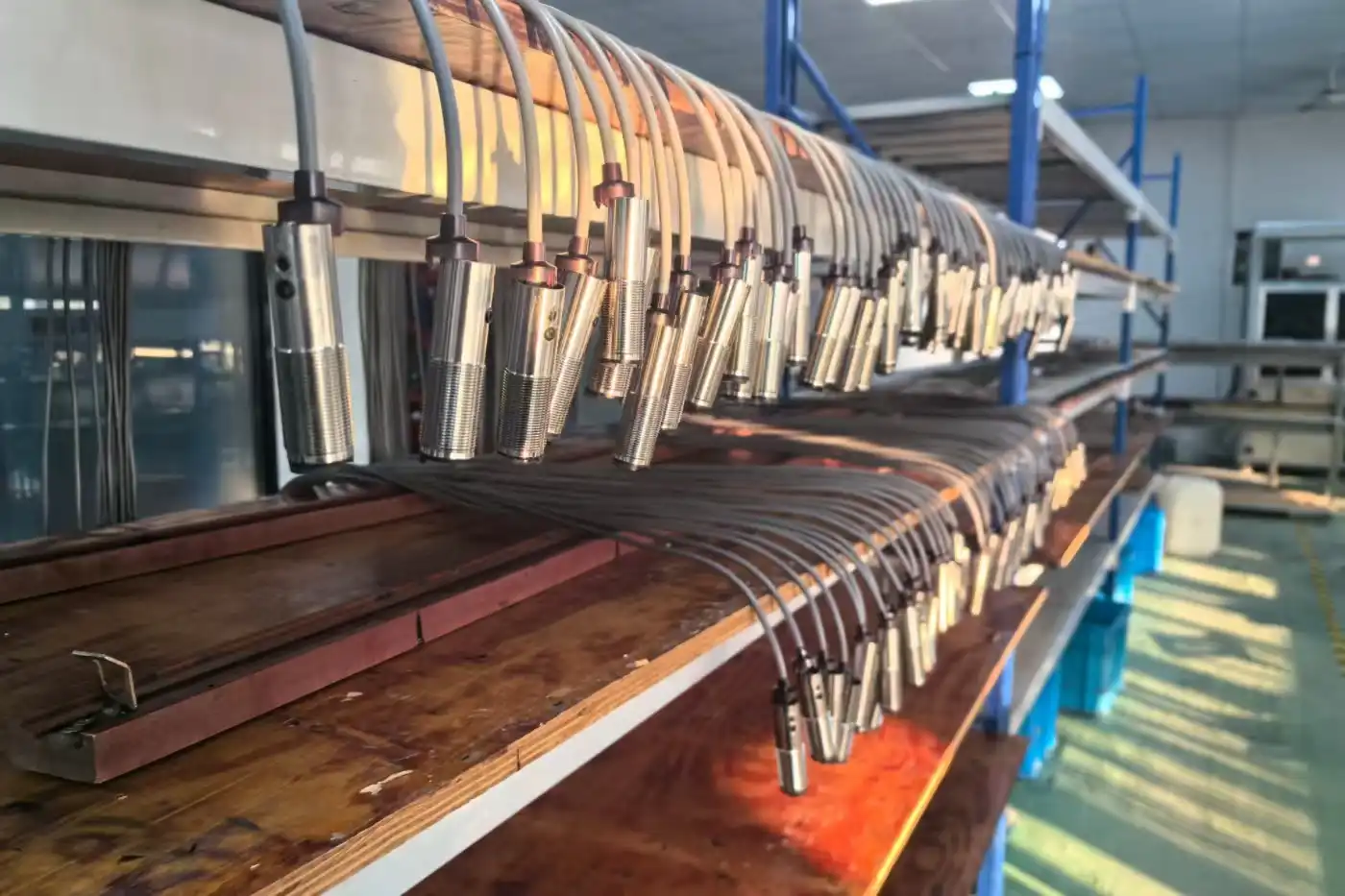
From production to inspection, every step is built for stable quality.