Professional Industrial Sensor Manufacturer
XSZ Sensor

Industrial Automation Sensing

Background
Suppression
Photoelectric Sensors

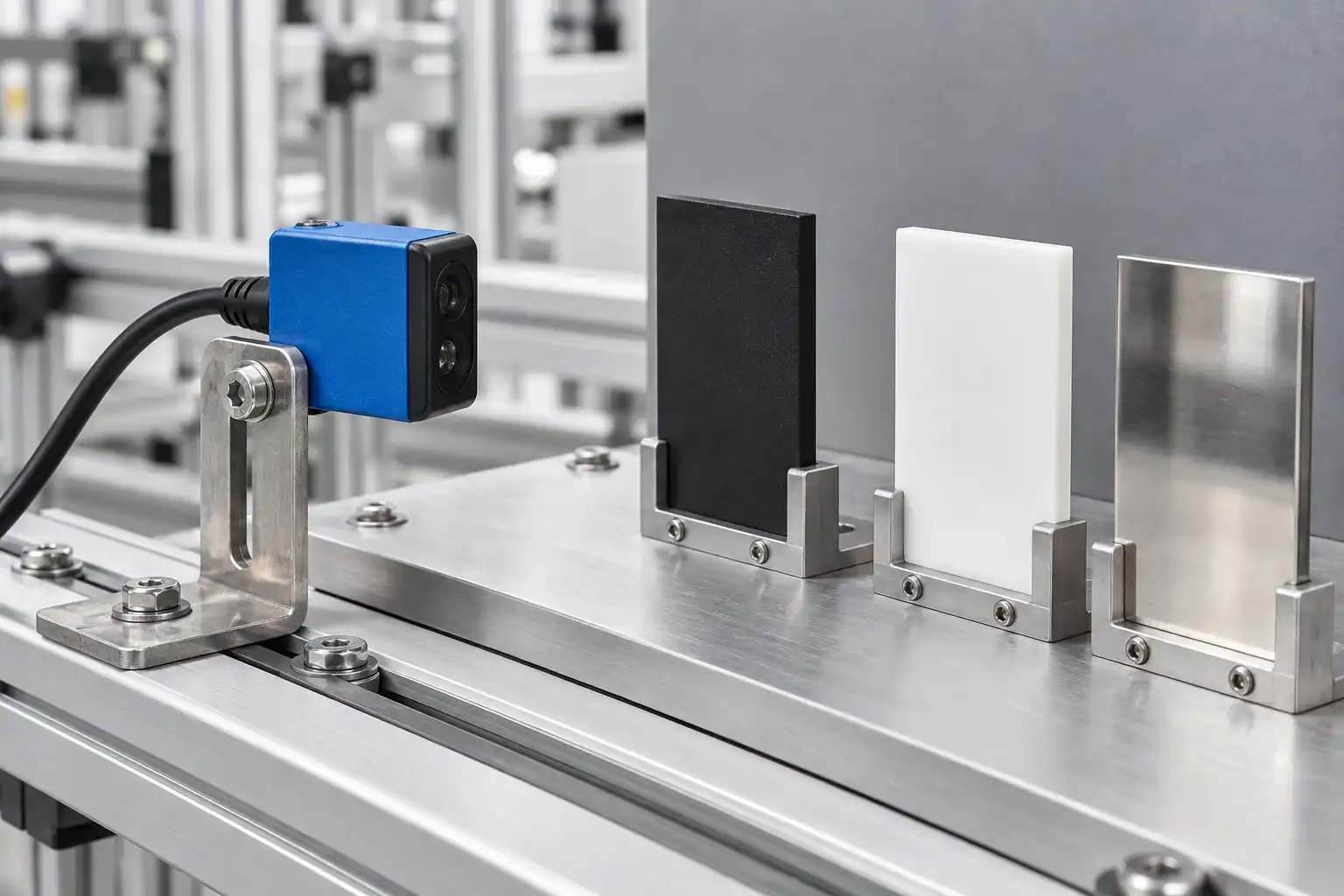
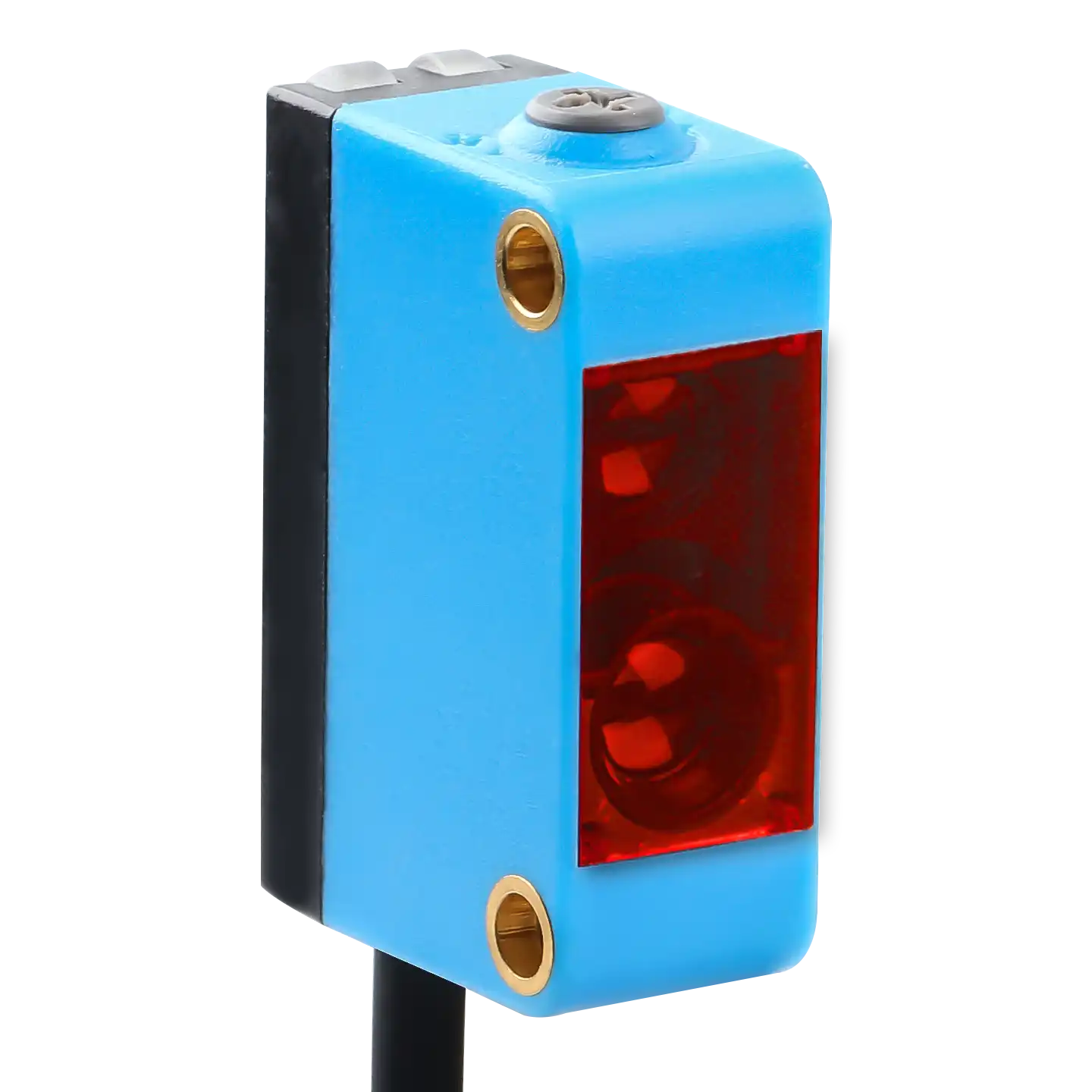
Detect objects within a defined sensing range while reducing response to farther backgrounds. Select by target distance, background clearance and surface finish.

Distance-based detection Separate the target from the background
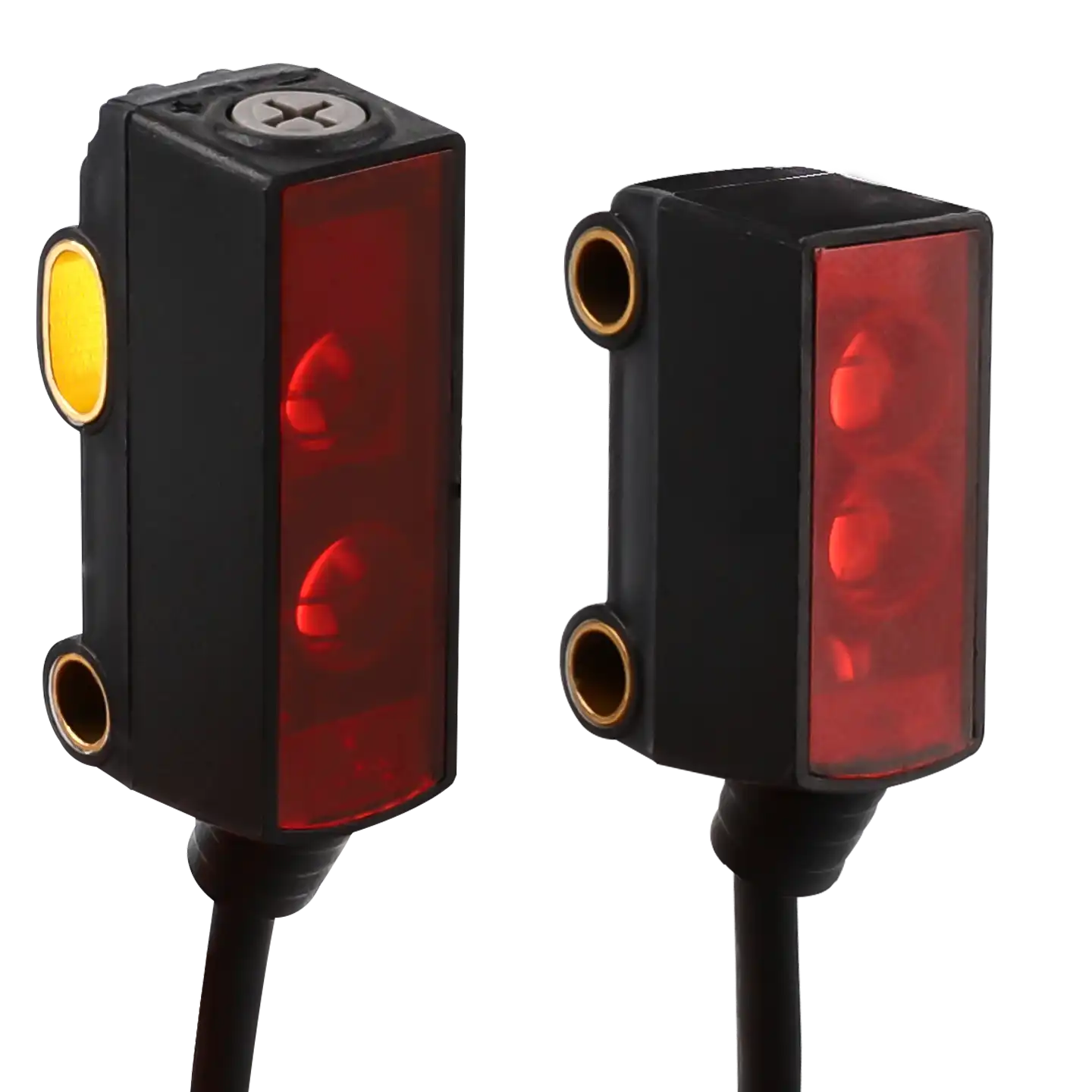
Compact housing options Match the sensor to your installation
Factory direct supply Discuss supply for your project
OEM support Share your application requirements

Focus on the Object That Matters

What Is Background Suppression?

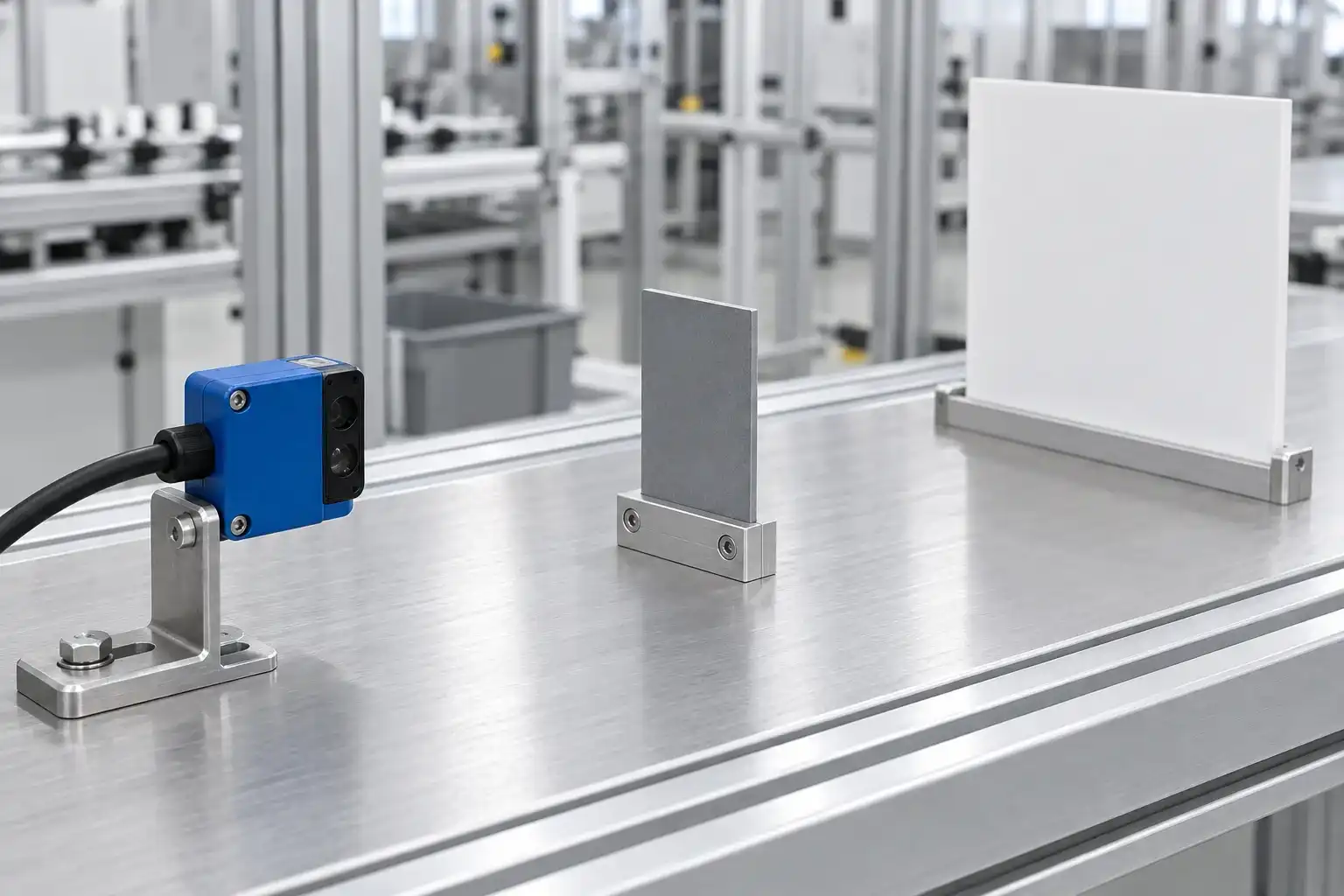
Background suppression (BGS) photoelectric sensors use optical distance information to distinguish a nearby target from a farther background. Unlike detection based only on reflected light intensity, this approach helps reduce unwanted response to objects behind the target.

Choose the working distance and cutoff with enough clearance between the target and the background. Dark, glossy, transparent or uneven surfaces still need application testing; detection range, adjustment and output options depend on the selected model.

xsz sensor offers BGS options for compact machinery and industrial automation. Share your installation space, target samples and controller requirements to narrow the selection.

Our Product Range

BGS Photoelectric Sensor Models

Select by working distance,
target and background.

Need another sensing range or configuration?

Share your target, working distance, background clearance and controller input.

Get More Products

Find the right sensor for your application

Background Suppression Selection Guide

Match the sensing range, target surface and background distance
for reliable object detection.

01

By Working Distance

Record the nearest and farthest target positions. Keep the complete target travel within the model's usable sensing range.

02

By Background Gap

Measure the nearest background. Leave the separation required by the model between the target and the background to be ignored.

03

By Spot & Surface

Match the light spot to the target area. Test dark, glossy and clear surfaces at the actual distance and mounting angle.

04

By Signal & Speed

Check response time against target speed and spacing. Match output type and switching logic to the controller input.


Compare selection options at a glance

Background Suppression Sensor Comparison

Compare housing, setup and optics. Available combinations depend on the selected model.

ConfigurationMain
Focus
Setup CheckTarget
Check
ElectricalTypical Use
Compact
Housing
Limited
space
Bracket clearance and
access to settings
Size and
distance
Output and
cable routing
Small machines,
assembly stations
Adjustable
Cutoff
Distance
setting
Cutoff adjustment and
background separation
Farthest
position
Supply and
switching logic
Conveyor presence,
carton detection
Teach-In
Setup
Setup
method
Teach procedure and
setting retention
Sample
variation
Output and
teach input
Lines with product
changeovers
Small-Spot
Optics
Small
features
Spot size at the
working distance
Edges and
alignment
Response time
and output
Small part presence,
feature detection
Cylindrical
Housing
Threaded
mounting
Thread fit and
optical-face clearance
Surface
and gap
Output and
connection
Bracket-mounted
object detection

Validate detection with real targets

What Should Your Sample Test Prove?

Stable Target Detection

Test the smallest and darkest targets at both distance limits, including movement and positioning variation.

Background Rejection

Remove the target and check that the nearest belt, rail or machine surface does not trigger the output.

Surface & Light Tolerance

Test color changes, glossy finishes and ambient light. Check lens contamination under actual operating conditions.

Reliable Signal Capture

Verify detection and release at full line speed. Confirm that the controller captures closely spaced targets.


Keep the target inside the sensing field

Installation & Output Options

Keep the optical path clear and verify the target-to-background separation.

Mounting Options

Position the sensor for a clear view of the target.

Front-Facing Mount

  • Aim at a stable target area
  • Keep background beyond cutoff
  • Check nearest and farthest positions

Conveyor Side Mount

  • Aim clear of guide rails
  • Test sideways product movement
  • Secure bracket and cable

Overhead Mount

  • Check all product heights
  • Keep the belt beyond cutoff
  • Test tilt and reflective surfaces

Signal & Setup Options

Available functions depend on the selected model.

NPN Output

Sinking output, when specified.
Match the controller input.

PNP Output

Sourcing output, when specified.
Verify supply and pinout.

Light / Dark Switching

Check output behavior with the target present and absent against the model's timing diagram.

Cutoff / Teach-In

Follow the model's setup method. Verify target detection and background rejection after adjustment.

Industrial Applications
Detect the Target.
Ignore the Background.

Background suppression photoelectric sensors detect objects inside a defined sensing field while rejecting backgrounds beyond the cutoff. Match the sensor to the actual target, working distance and background gap.

Carton Presence on Conveyors

Detect passing cartons with the farther machine surface beyond the sensing cutoff.

Dark Plastic Part Detection

Test dark components against a bright fixture at the actual working distance.

Tray & Package Positioning

Confirm opaque tray or package presence at a pickup station, with clearance to the background.

Assembly Part Presence

Check that a part is present in the sensing area before the next assembly step.

Detection Challenges
Keep the Background Out of the Signal

A cutoff alone does not guarantee stable detection. Check target separation, surface variation and movement with the selected model in the installed setup.

Target-to-Background Gap

Place the cutoff between the farthest target and nearest background. Keep the model's required separation.

Color & Surface Variation

Test dark and glossy samples. Transparent targets need a suitable sensing solution, not an assumed BGS capability.

Spot Size & Target Edges

Aim at a stable target area. Check the smallest feature, edge crossings and sideways movement against the light spot.

Motion & Optical Conditions

Verify detection and release at line speed. Test ambient light and lens contamination, then confirm controller signal capture.

Why XSZ Sensor
More Than a Sensor.
A Stronger Partner.

From application review to OEM supply, build a sensing solution around your production line.

Factory-Direct
Manufacturing

Support from
selection to supply.

Application-Based
Selection

Review the target,
surface and gap.

Product
Inspection

Check the selected
configuration.

Sample
Support

Validate on your
actual machine.

Real Factory Trust
Inside Our Sensor Manufacturing Facility

From production to inspection, every step is built for stable quality.

10+Years
50+Countries
OEM/ODMSupport
XSZ sensor assembly workstations
XSZ sensor customization workstation
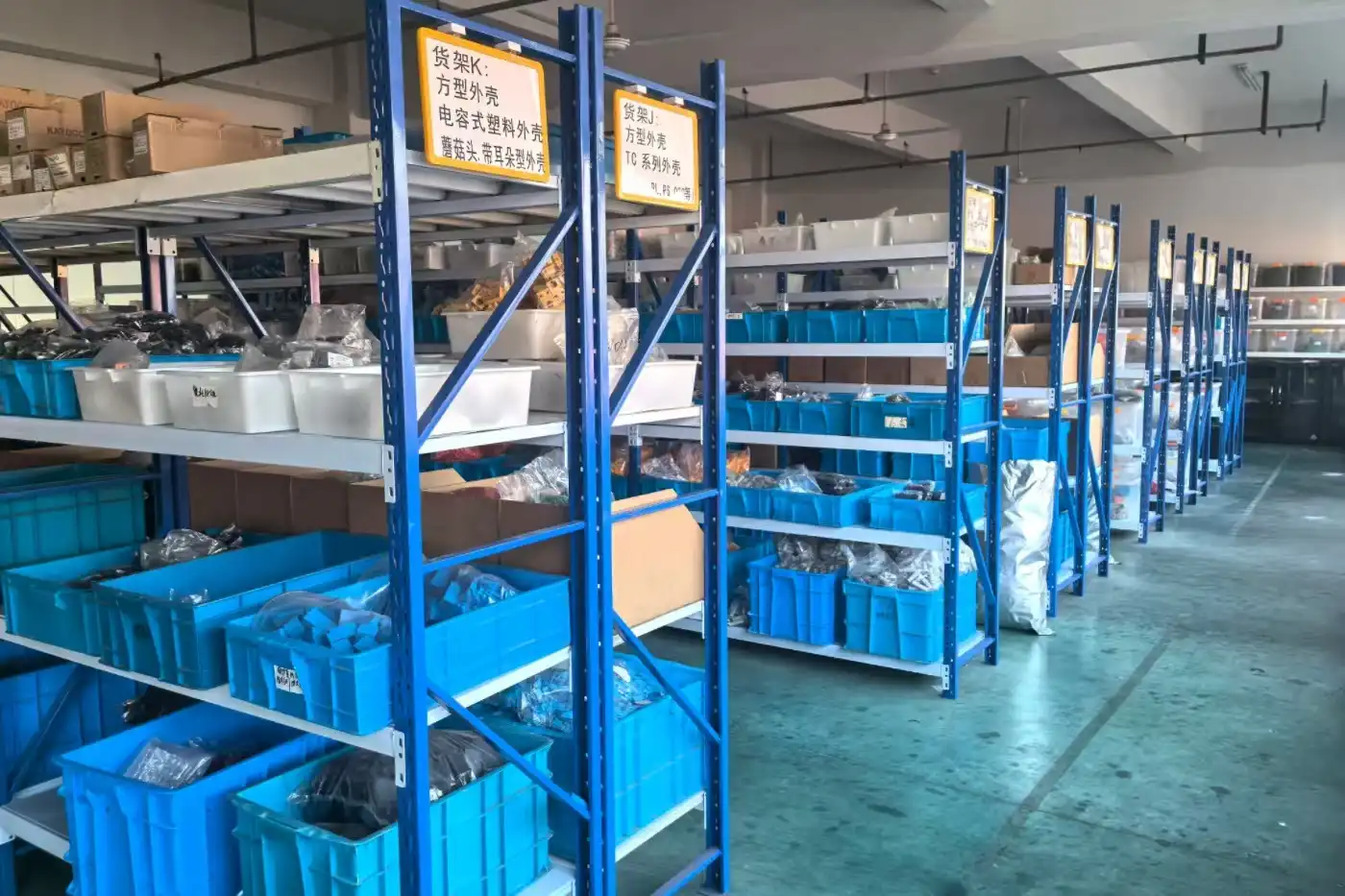
Shelves of sensor components in storage bins
Labeled parts bins on warehouse shelving
Coils of sensor cable stored on a rack
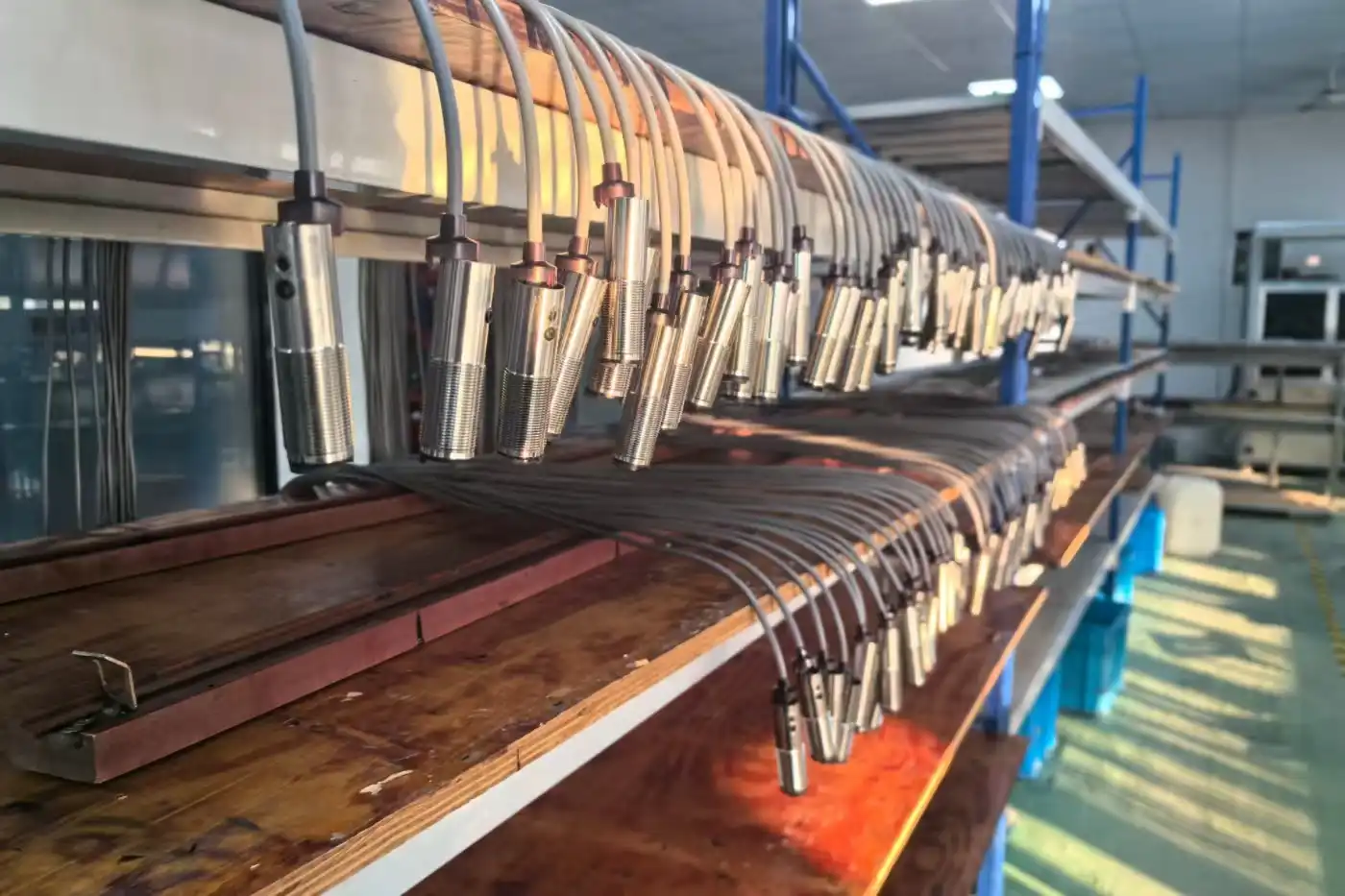
Cylindrical sensors arranged above a workbench
Sensor component workbench with organized parts bins
Cable reels beside sensor assembly workstations

Flexible Solutions for Your Application

Customization & OEM

Share your target, working distance and background position. Our engineering team can review feasible configuration and branding options for your background suppression photoelectric sensor application.

Housing & Mounting

Review housing dimensions, bracket positions and space around the sensing face.

Detection Setup

Check target size, surface, working distance and separation from the background.

Cable Length

Discuss cable length and routing for your machine layout.

Connection Type

Review available cable or connector options against your wiring requirements.

Output & Timing

Match available outputs and response performance to your controller and line speed.

Label / Branding

Discuss custom labels, logos and part numbers for your OEM project.

Explore More

Related Articles

Practical reading for background suppression sensor selection, setup and application testing.

Sensor Comparison

Background Suppression vs. Diffuse Photoelectric Sensors

Compare distance-based cutoff with conventional diffuse sensing for your target and background.

Read Article

Setup Guide

Setting the Cutoff Distance for a BGS Sensor

Review target position, background separation and the checks needed after adjustment.

Read Article

Application Guide

Detecting Dark or Reflective Targets with BGS Sensors

Understand surface-related limits and why testing the actual target matters.

Read Article

Common Questions

Frequently Asked Questions

Quick answers to help you select and set up a background suppression photoelectric sensor.

How is background suppression different from conventional diffuse sensing?

Both use light reflected by the target. Background suppression adds a defined sensing-distance limit to help reject objects behind the target; conventional diffuse sensing depends more on the amount of returned light.

How much space is needed between the target and background?

There is no universal gap. Check the model's minimum separation requirements using the farthest target and closest background positions. Allow for movement, surface differences and installation tolerances.

Can a BGS sensor detect dark, shiny or transparent objects?

Do not assume it can detect every surface. Very dark, glossy or transparent targets can remain challenging. Test the actual object at its working distance and angle, and consider a different sensing method if needed.

How should I set the cutoff distance?

For adjustable models, follow the specified adjustment or teach procedure with the real target and background in place. Keep a suitable margin between detection and background rejection, then verify the complete operating cycle. Fixed-field models require the correct preset range.

Does background suppression require a reflector?

Normally no. The sensor receives light reflected by the target itself. This differs from a retro-reflective arrangement with a separate reflector; confirm the sensing method of the selected model.

What should I check if false triggering occurs?

Check target-to-background separation, sensor alignment, reflective angles and lens cleanliness. Review mounting stability, nearby emitters and output settings, then test with the darkest target and closest background in the final installation.

Let's Build a Smarter Tomorrow

Need Help Choosing a Background Suppression Sensor?

Share your target sample, sensing distance, background gap and line speed. Our technical team can help you review sensor selection and setup requirements.