Professional Industrial Sensor Manufacturer
XSZ Sensor
Sensor Solutionsfor Automotive Manufacturing

Reliable detection for body handling, welding fixtures, component assembly, conveyors, and automotive production lines.

  • Part Detection

    Detect metal panels and assembly components

  • Positioning

    Confirm carrier, fixture and clamp positions

  • Cylinder Position

    Detect piston end positions during actuation

  • Assembly Checks

    Check component presence before assembly

  • Machine Safety

    Monitor access to guarded production cells

Where Sensors Work in Automotive Manufacturing

From part feeding to final assembly, sensors support presence detection, fixture positioning, and production line control.

10 Key Detection Points in Automotive Manufacturing
No.Process / CheckpointDetection taskSensor starting point
01Component FeedingDetect parts arriving at the feederPhotoelectric or inductive proximity sensor
02Body / Carrier PresenceConfirm body or carrier arrival on the conveyorPhotoelectric sensor
03Panel PositionConfirm panel presence at the fixtureInductive proximity or photoelectric sensor
04Fixture / Clamp PositionDetect metal clamp or fixture end positionsInductive proximity sensor
05Cylinder End PositionDetect end positions of a magnetic pistonMagnetic cylinder switch
06Weld Fixture Part PresenceConfirm metal parts are present before weldingInductive sensor suited to welding conditions
07Small Part AssemblyCheck component presence in confined fixturesFiber optic or compact photoelectric sensor
08Conveyor CountingCount passing components or carriersThrough-beam photoelectric sensor
09Fluid Level MonitoringCheck coolant or lubricant reservoir levelCapacitive sensor matched to liquid and tank
10Guarded Cell AccessDetect access to a guarded production cellSafety light curtain; risk assessment required
When StandardDetection IsNot Enough

Automotive lines handle metal parts, moving carriers, and small assembly components. Model changes, tight fixtures, and short cycle times make reliable detection more demanding.

  • Mixed Materials and Finishes

    Steel, aluminum, and plastic components need different sensing approaches. Dark or reflective surfaces can complicate optical detection.

  • Fast Assembly Cycles

    Moving parts and carriers need timely detection. Short cycle times leave less margin for delayed or inconsistent switching.

  • Compact Fixtures

    Limited clearance, nearby metal, and changing part positions can restrict sensor placement and the usable detection gap.

Three Application Examples

From fixture loading to assembly stations, verify sensing with actual automotive parts, carriers, and process timing.

01
Metal part presence
  • Problem

    Changes in target metal, part size, or mounting gap can affect detection inside a fixture.

  • Test

    Test real steel and aluminum parts across allowed gap and fixture-position tolerances.

  • Direction

    Use inductive sensing for a defined metal target and verify the operating gap with nearby metal in place.

02
Pallet positioning
  • Problem

    Carrier overrun, vibration, or changing backgrounds can make arrival signals inconsistent.

  • Test

    Run loaded and empty carriers at actual line speeds and verify the arrival signal at the stop.

  • Direction

    Detect a fixed carrier feature and confirm sensor response matches the station's timing requirements.

03
Component presence check
  • Problem

    Small, dark, or reflective components can be difficult to distinguish from surrounding tooling.

  • Test

    Check every model variant, target angle, and background using actual production components.

  • Direction

    Use optical sensing where the target is visible, or inductive sensing for metal, and confirm presence switching.

Choose the Right Sensor for Your Automotive Application

Before selecting a sensor, consider the part material, detection task, cycle time, installation environment and control requirements.

Part Characteristics

What part or material are you detecting?

Metal  ·  Plastic  ·  Rubber  ·  GlassSize  ·  Shape  ·  Surface  ·  Reflectivity

Detection Requirements

What must the sensor verify?

Presence  ·  Position  ·  Distance  ·  ProfileCycle time  ·  Repeatability  ·  Accuracy

Installation Conditions

Where will the sensor be installed?

Mounting space  ·  Angle  ·  BackgroundOil  ·  Dust  ·  Vibration  ·  Welding

Electrical & Control

How will it connect to the machine?

Voltage  ·  PNP / NPN  ·  NO / NCCable  ·  Connector  ·  PLC compatibility

Selection Tip

Test with the actual part, surface finish and production cycle before final sensor selection.

Sensor Technologies Used Across Automotive Production

Different sensing technologies support part detection, positioning, inspection and machine safety throughout automotive manufacturing.

TechnologyBest forTypical automotive useKey advantage
Photoelectric
Part presence and countingComponents, carriers and workpieces on conveyorsFast non-contact detection for varied targets.
Inductive
Metal parts and fixturesBrackets, gears, tooling and clamp positionStable sensing in oil, dust and vibration.
Laser distance
Precise distance and profileGap, height, position and assembly verificationHigh precision for dimensional checks.
Fiber optic
Small parts / tight spacesComponent presence in compact tooling and fixturesSmall sensing head for restricted mounting areas.
Ultrasonic
Difficult optical targetsTransparent, dark or reflective targets and level checksLess dependent on target color or reflectivity.
Safety light curtain
Personnel protectionAccess guarding around presses, robots and assembly cellsHelps protect operators in hazardous zones.
Why Work with xsz sensor for Automotive Manufacturing

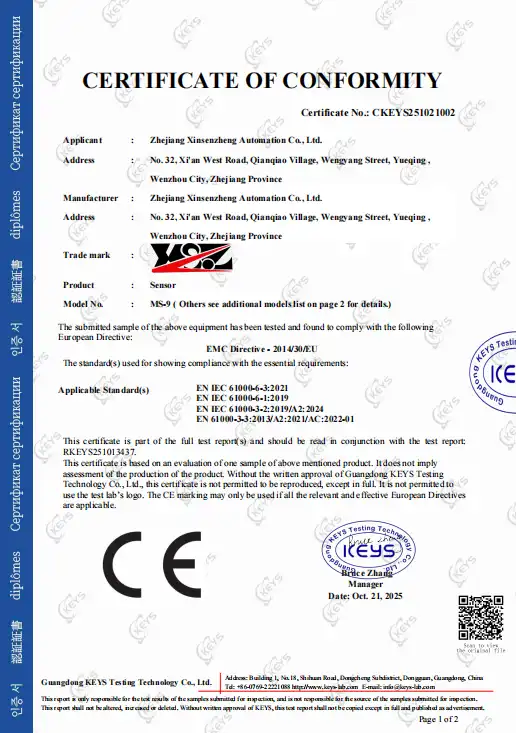
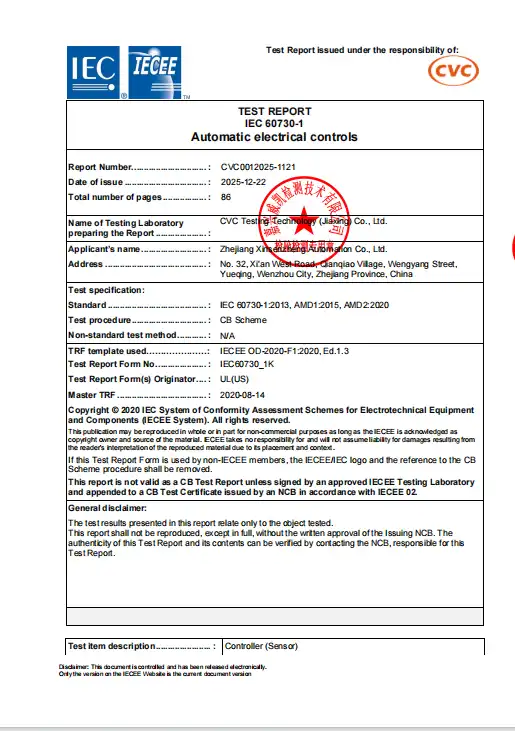
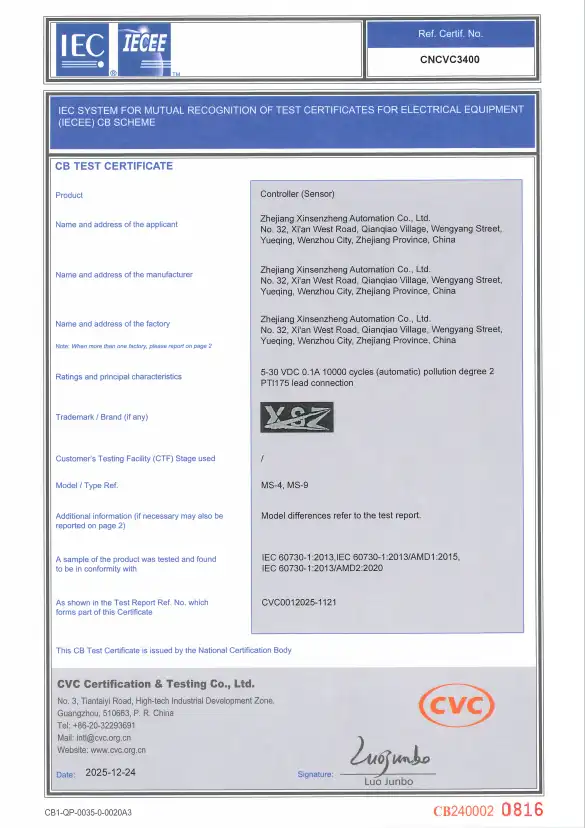
xsz sensor supports industrial automation in automotive manufacturing with sensor R&D, manufacturing and application support. From component presence and fixture position to assembly checks and conveyor tracking, we help you review the target, installation space and control requirements before choosing a sensing solution.

Sensor Engineering

Review part material, surface finish, target size and movement to select a sensing method for automotive production equipment.

Production and Inspection

Manufacturing, functional testing and final inspection support consistent sensor supply for production equipment and repeat orders.

Application Support

Get technical support for component detection, fixture positioning and assembly verification across automotive production stations.

Inside Our Factory

From component preparation and sensor assembly to functional testing and final inspection, xsz sensor manages production processes to support consistent quality and repeat supply for industrial automation projects.

Plan Your Automotive Sensor Order

Share the detection task, station layout and control requirements for your automotive production equipment. These key points help our team review suitable sensor options before sampling and ordering.

Target and Sensing Task

Define the part, fixture or carrier to detect. Include material, surface finish, size, position and required sensing distance.

Mounting and Environment

Review mounting space, vibration, oil, coolant, metal debris and nearby welding equipment. Confirm the actual conditions at each station.

Output and Electrical Interface

Confirm the supply voltage, PNP or NPN output, NO or NC logic, connector and PLC input. Check any IO-Link or analog requirements against the selected model.

Samples and Validation

Validate samples with actual parts and fixtures at production speed. Check detection repeatability, background interference and the installation margin.

Customization Options

Discuss housing dimensions, mounting arrangement, sensing distance, cable length and connector requirements for your production equipment.

Delivery and Support

Share project quantities, rollout dates and spare-part needs so sensor supply and technical support can be planned around your production schedule.

Sensor Selection Checklist

Prepare part details, sensing distance, cycle time, mounting space and electrical requirements before inquiry.

Prepare Your Inquiry

Send station photos, target samples or drawings and your control requirements to help us review the application.