Professional Industrial Sensor Manufacturer
XSZ Sensor

Industrial Automation Sensing

Slot
Photoelectric Sensors

Detect parts, tabs and edges as they pass through a fixed optical gap. Choose the slot opening, mounting style and output to suit your machine.

Integrated optical gap Emitter and receiver in one housing
Slot width options Match the opening to the target path
Factory direct supply Discuss supply for your project
OEM support Share your installation requirements

Detection at a Fixed Gap

What Are Slot Photoelectric Sensors?

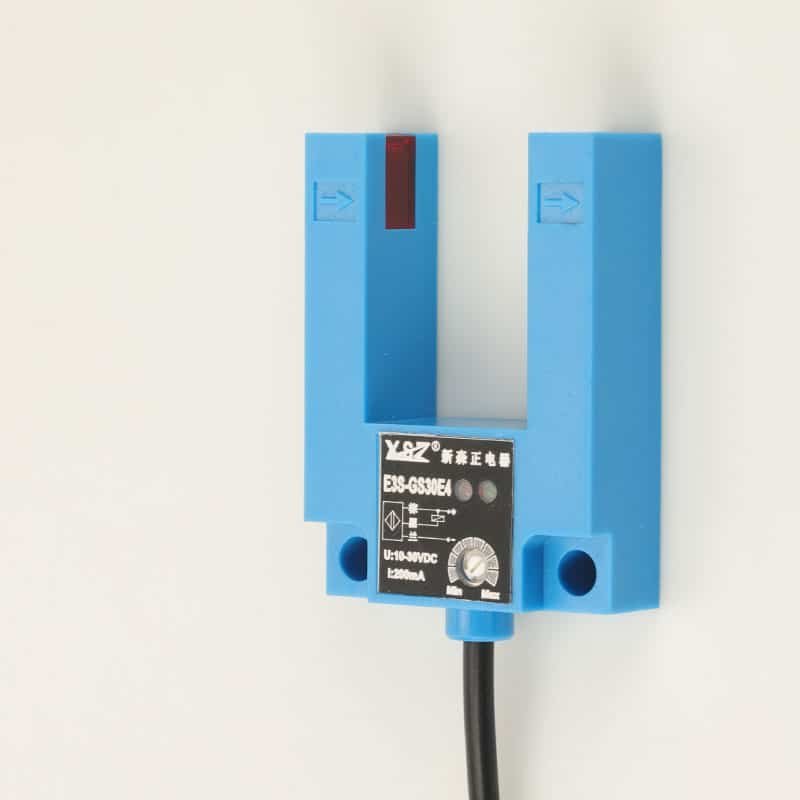
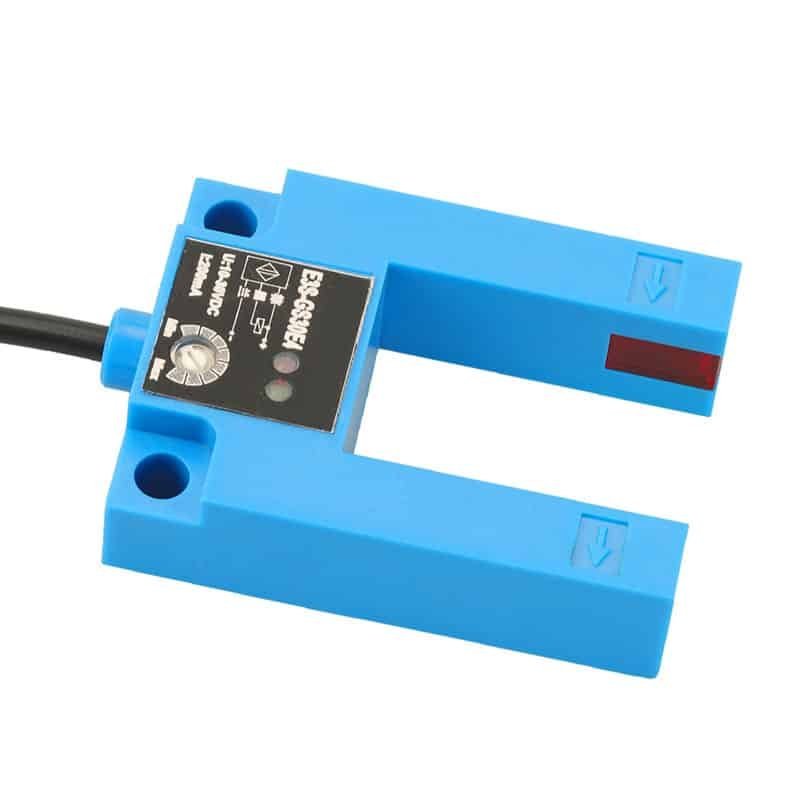
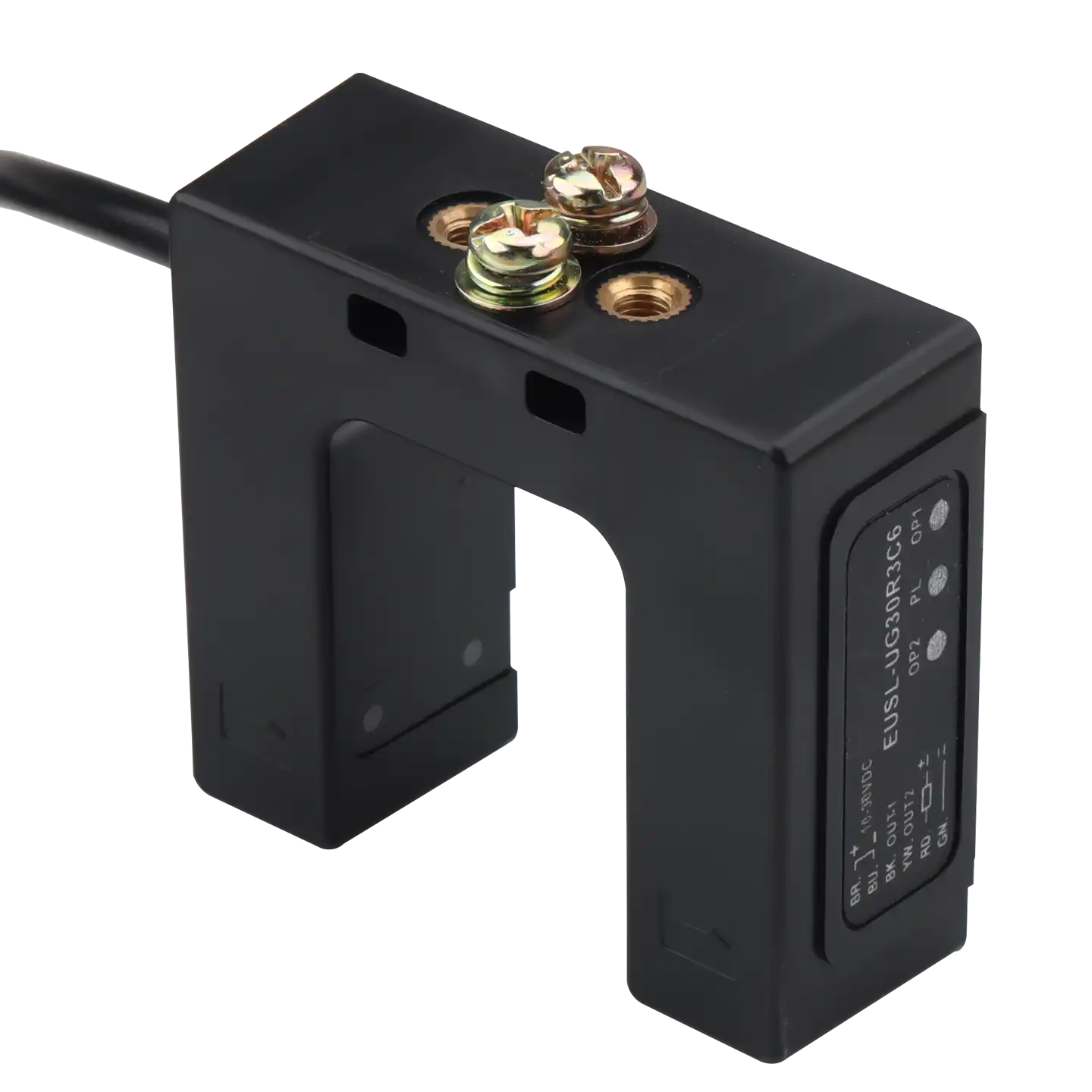
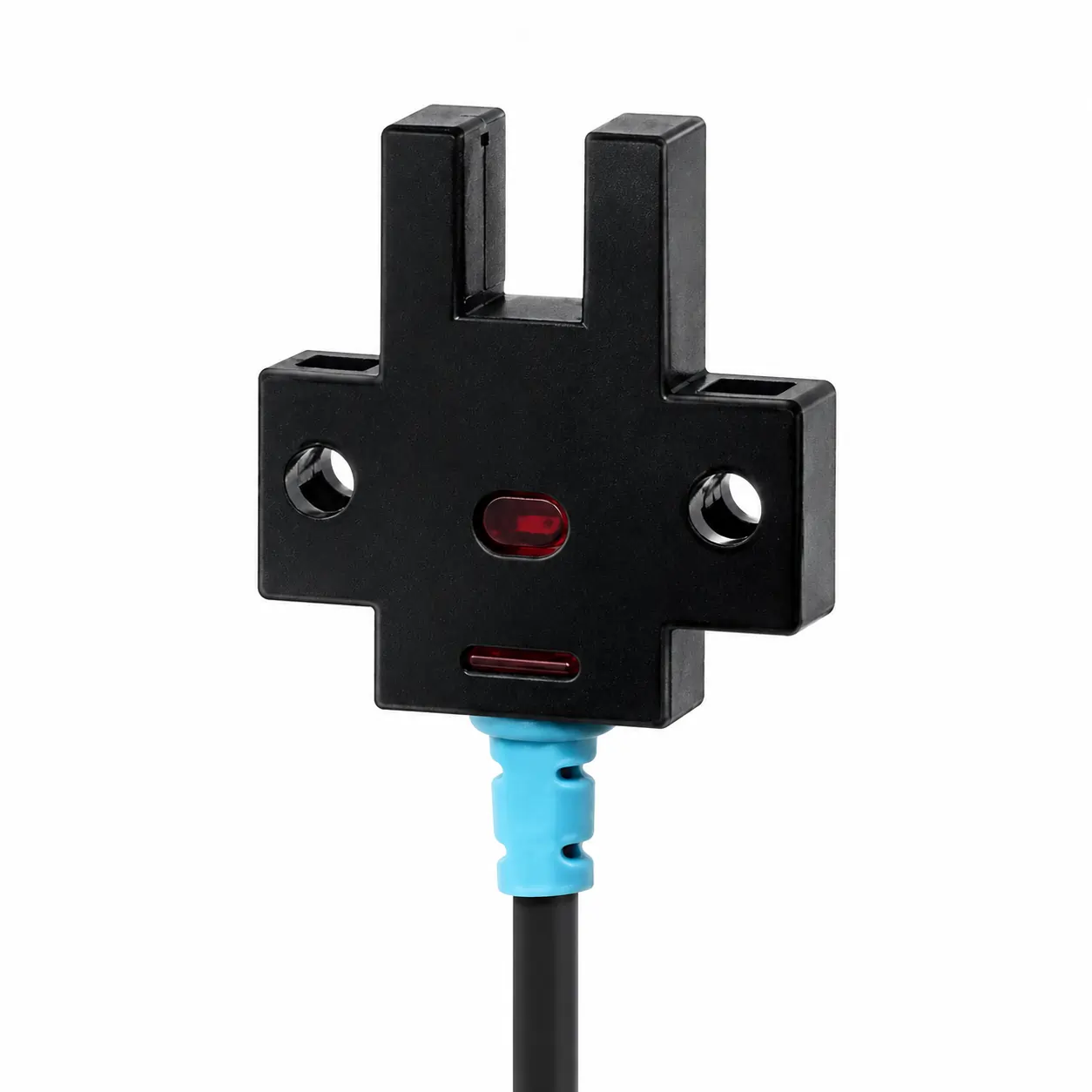
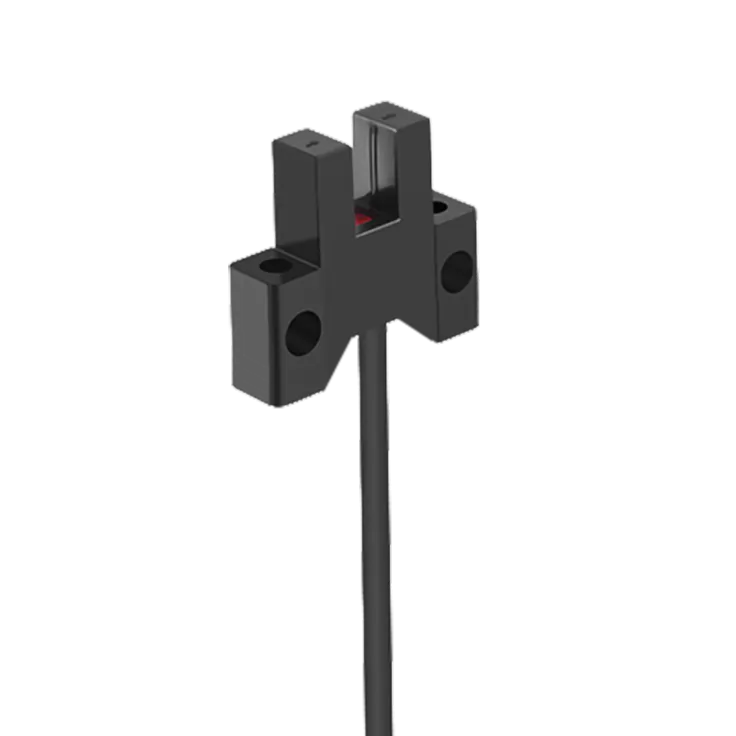
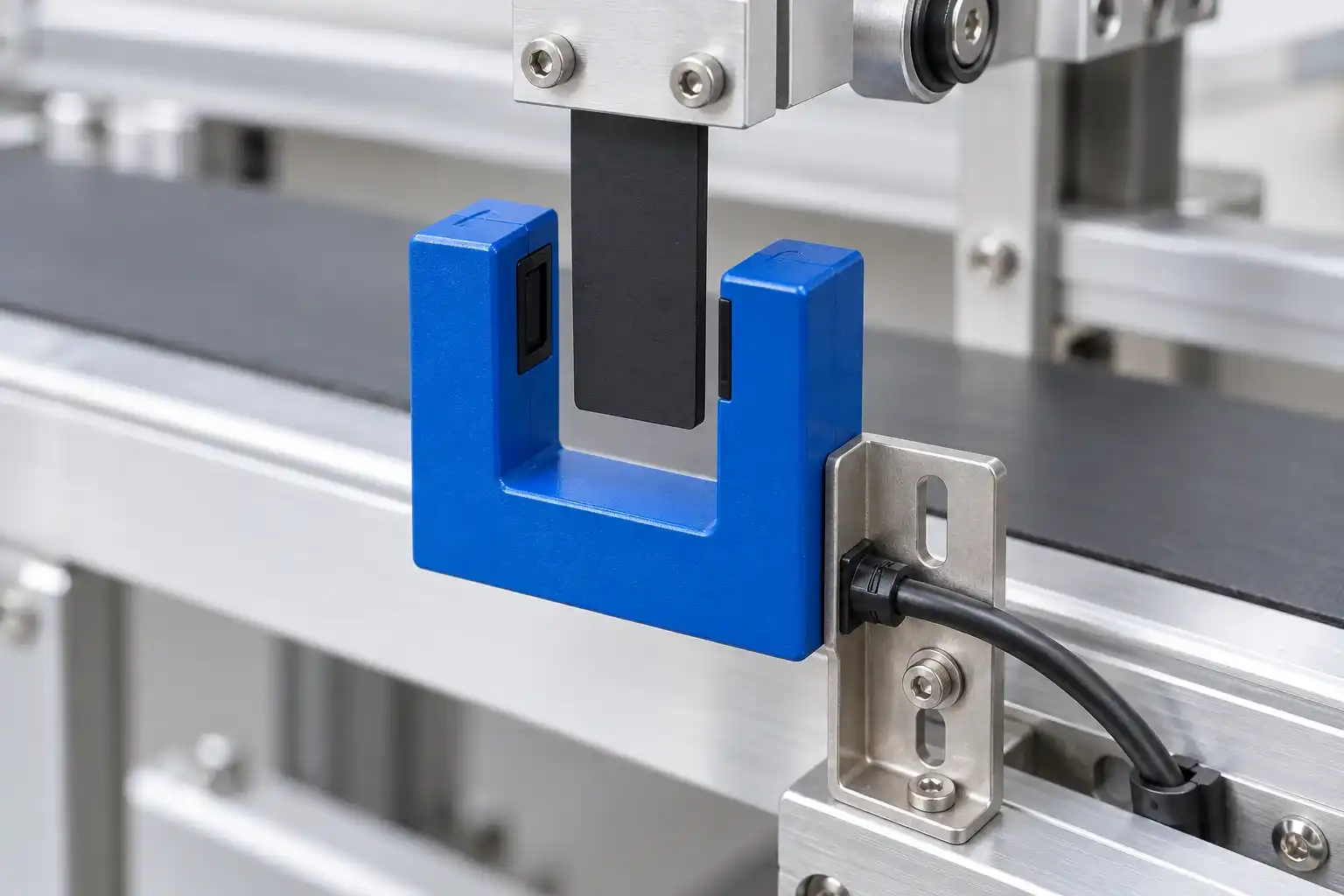
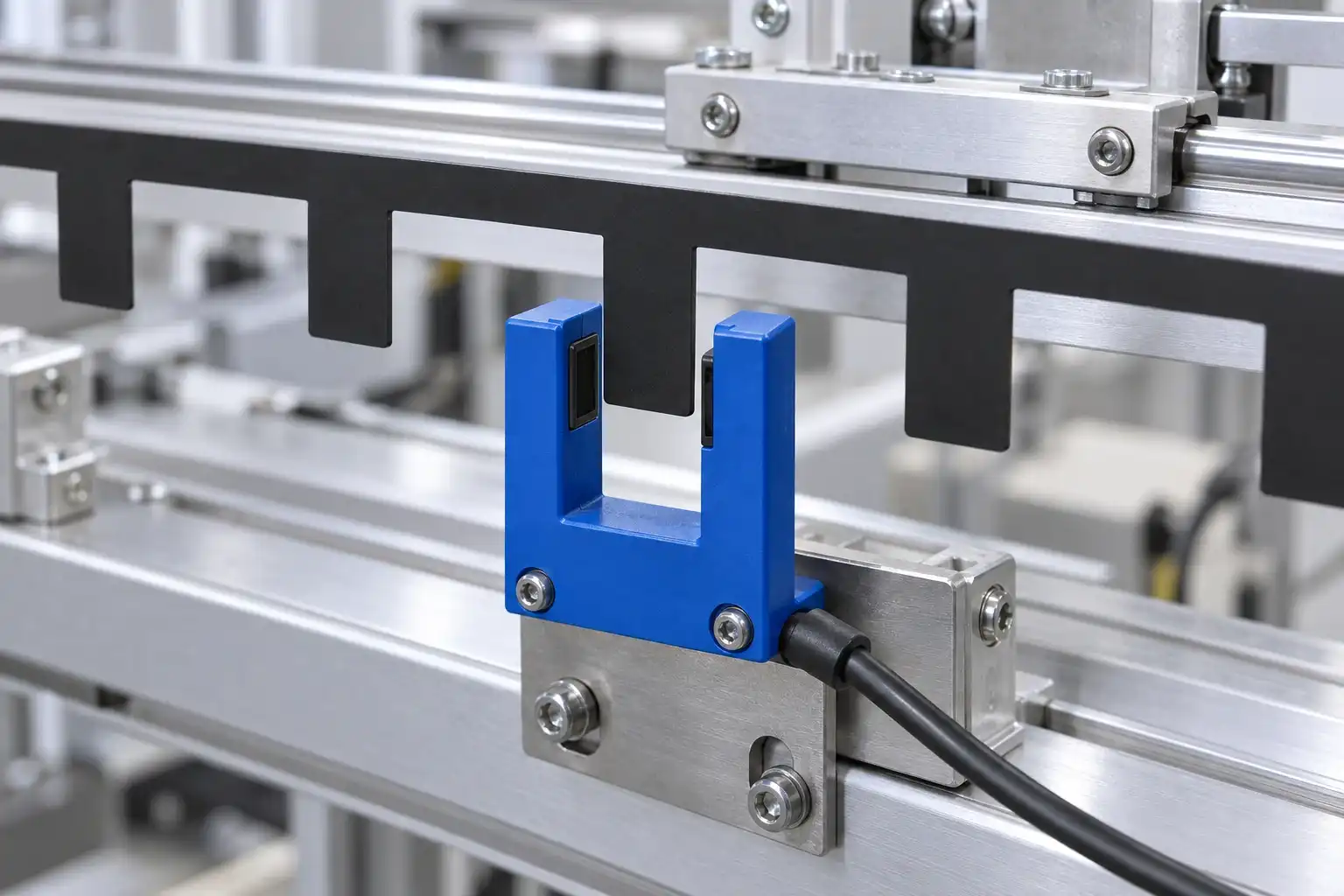
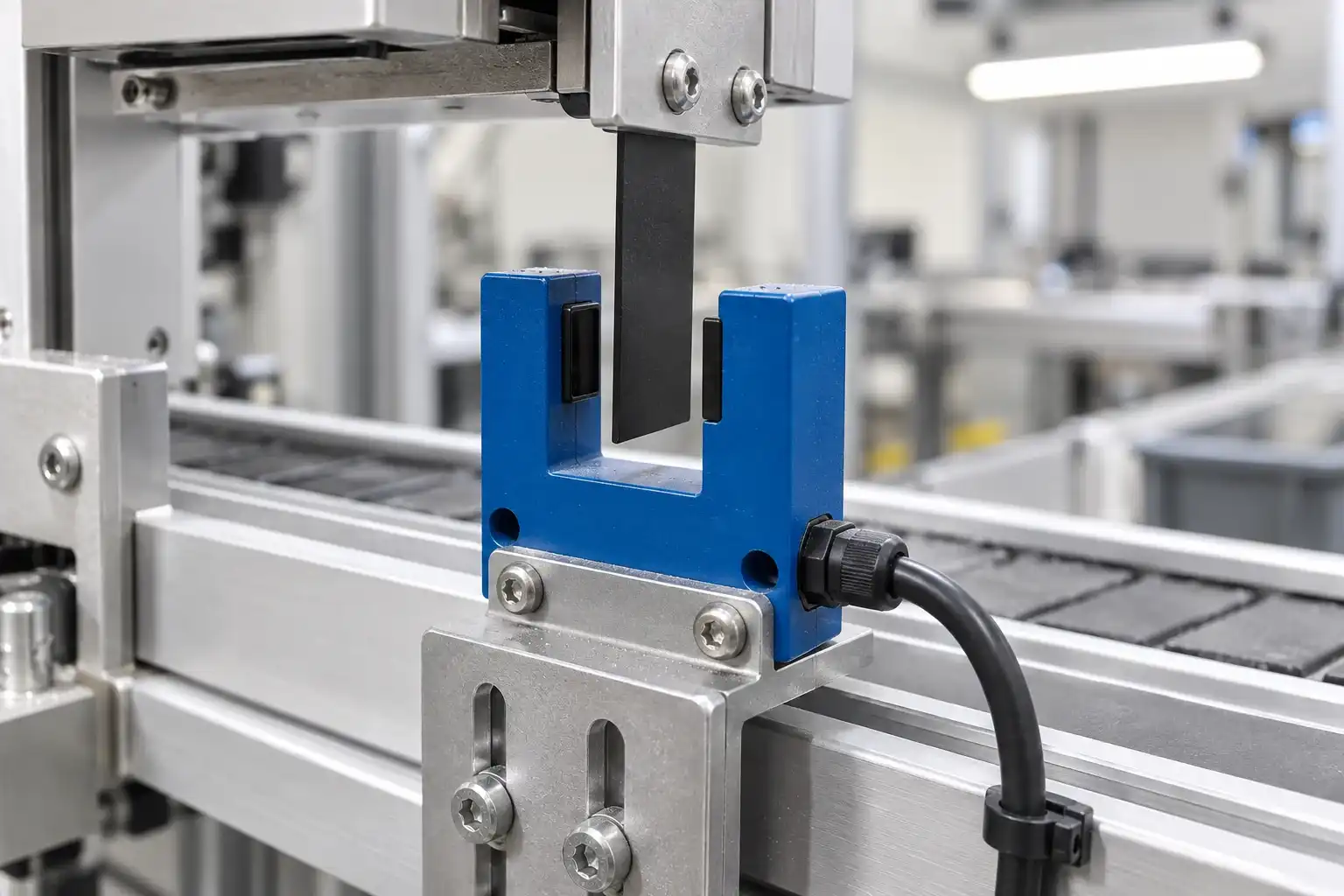
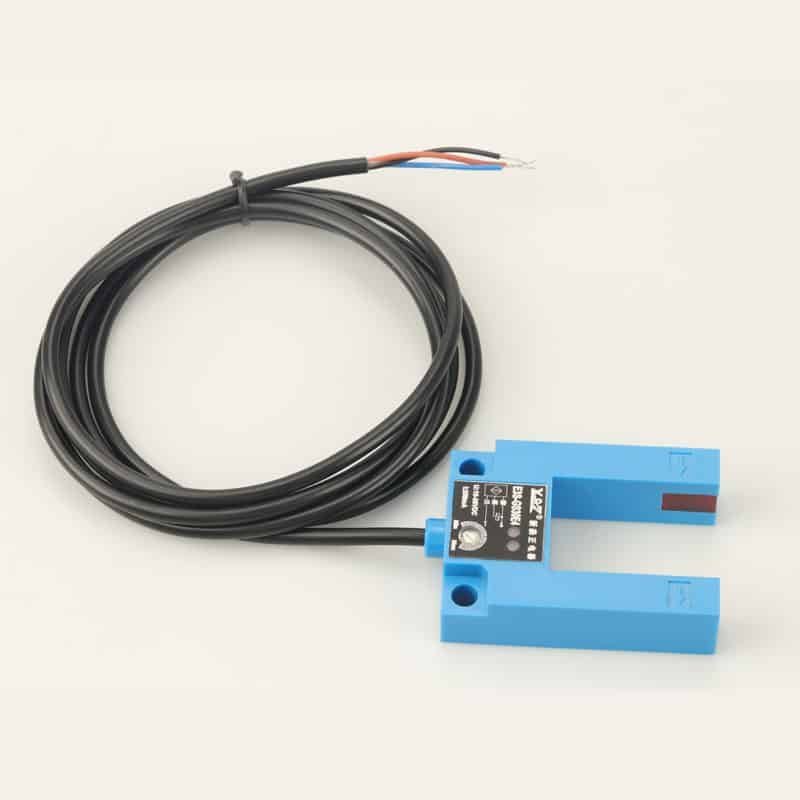
Slot photoelectric sensors place the emitter and receiver on opposite sides of a single fork-shaped housing. A target passing through the opening interrupts the light beam, providing a signal for presence detection, counting or positioning.

Allow clearance for the target and its movement without contact with the housing. Check whether the material blocks the beam, and match the sensor response and controller input timing to the passing speed. Transparent targets need testing rather than assumed compatibility.

xsz sensor offers groove, compact and dual-channel options. Slot dimensions, supply voltage, output and switching logic must be confirmed for the selected model.

Find the right sensor for your application

Slot Sensor Selection Guide

Match the slot opening, target and switching response
to your machine's detection task.

01

By Slot Clearance

Check slot width, depth and beam position. Allow room for target thickness and movement without touching either fork arm.

02

By Target & Beam

Check that the smallest target interrupts the beam. Clear film and translucent materials need testing with a suitable model.

03

By Speed & Spacing

Match sensor response to target speed and spacing. Check that the controller input can capture the shortest passing pulse.

04

By Mounting & Output

Match fixing holes and cable direction to the machine. Verify supply voltage, NPN or PNP output and Light-ON or Dark-ON operation.


Compare selection options at a glance

Slot Photoelectric Sensor Comparison

Compare opening, mounting and signal requirements. Dimensions and functions depend on the selected model.

Selection ProfileMain
Focus
Mechanical CheckTarget
Check
Signal CheckTypical Use
Compact
Slot
Limited
space
Body size and
fixing-hole position
Flag size
and path
Supply and
output type
Small mechanisms,
position flags
Wide
Opening
Target
clearance
Slot width and
sideways movement
Thickness
and opacity
Light / Dark
switching
Passing tabs,
guided parts
Deep
Slot
Beam
access
Slot depth and
edge-to-beam reach
Edge
position
Stable switching
at full travel
Sheet edges,
recessed paths
Small
Target
Fine
features
Aperture position
and alignment
Minimum
target size
Pulse width
and response
Small tabs,
slotted discs
Alternate
Mounting
Mounting
direction
Bracket fit and
cable clearance
Entry
direction
Pinout and
controller input
Side-mounted
machine assemblies

Validate detection with real targets

What Should Your Sample Test Prove?

Consistent Beam Interruption

Test the smallest target at its extreme positions. Confirm a clean change between beam clear and beam blocked.

Reliable Counting at Speed

Run at maximum speed and minimum spacing. Compare actual part counts with the pulses captured by the controller.

Clearance Throughout Travel

Check vibration, sideways drift and disc runout. The target must cross the beam without contacting the housing.

Stable On-Machine Operation

Check ambient light and dust at the optical windows. Verify switching after cable routing and final bracket tightening.


Bring the target through the optical slot

Installation & Output Options

Keep the moving target clear of the fork arms and match the signal to your controller.

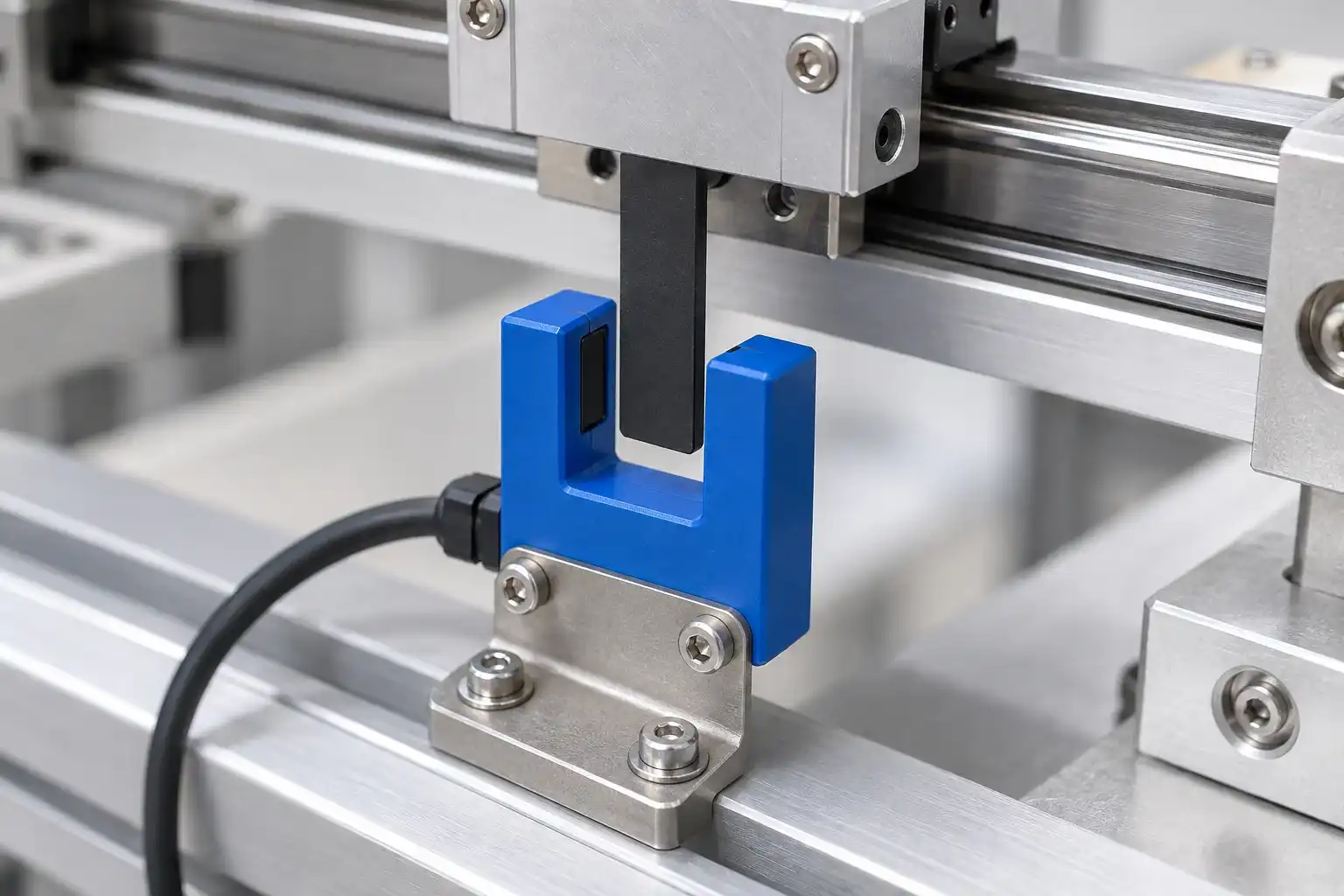
Mounting Options

Align the target path with the beam position.

Passing Tab

  • Use an opaque target flag
  • Cross the beam fully
  • Allow for travel variation

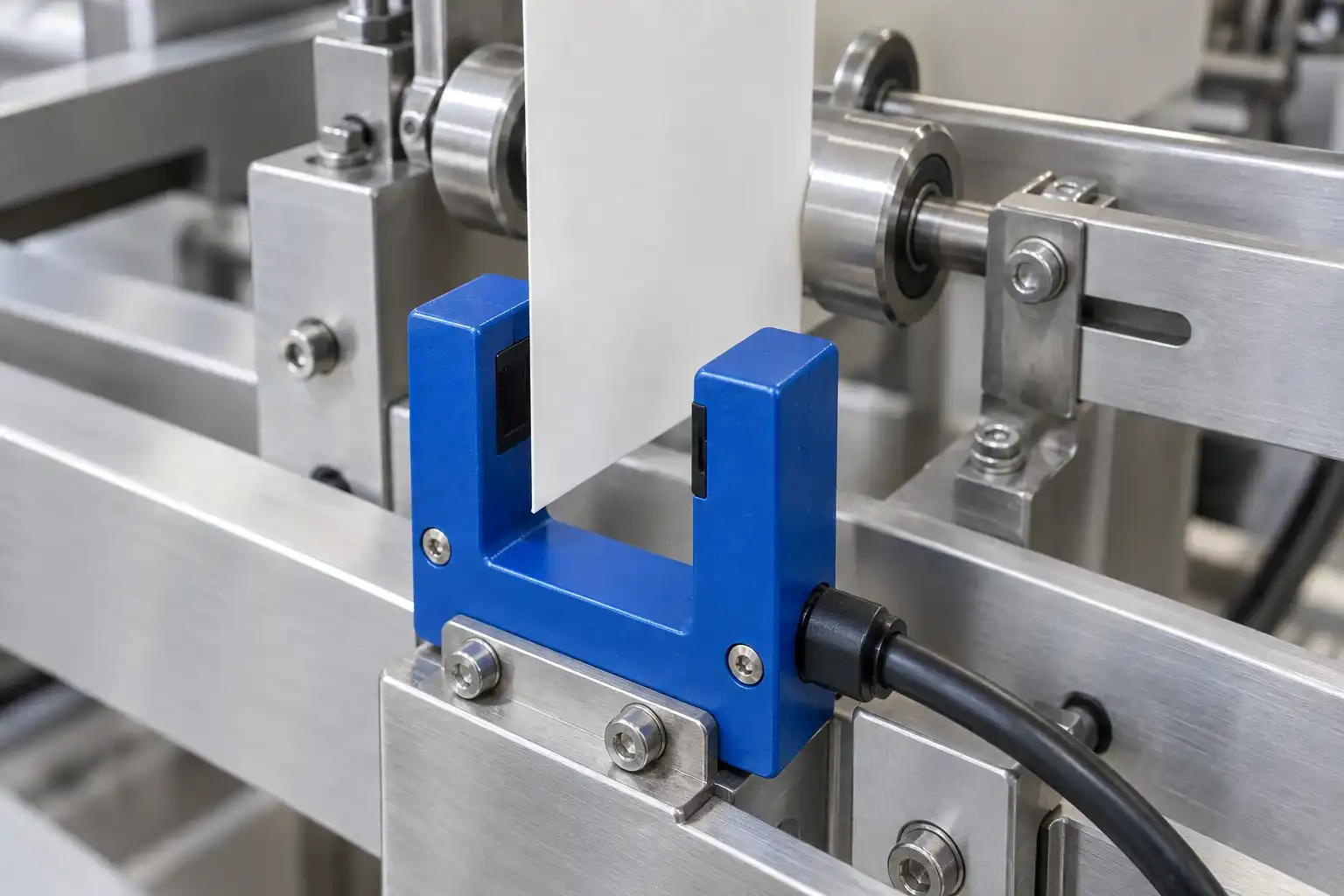
Sheet Edge

  • Guide the edge into the slot
  • Check depth and clearance
  • Test the actual sheet material

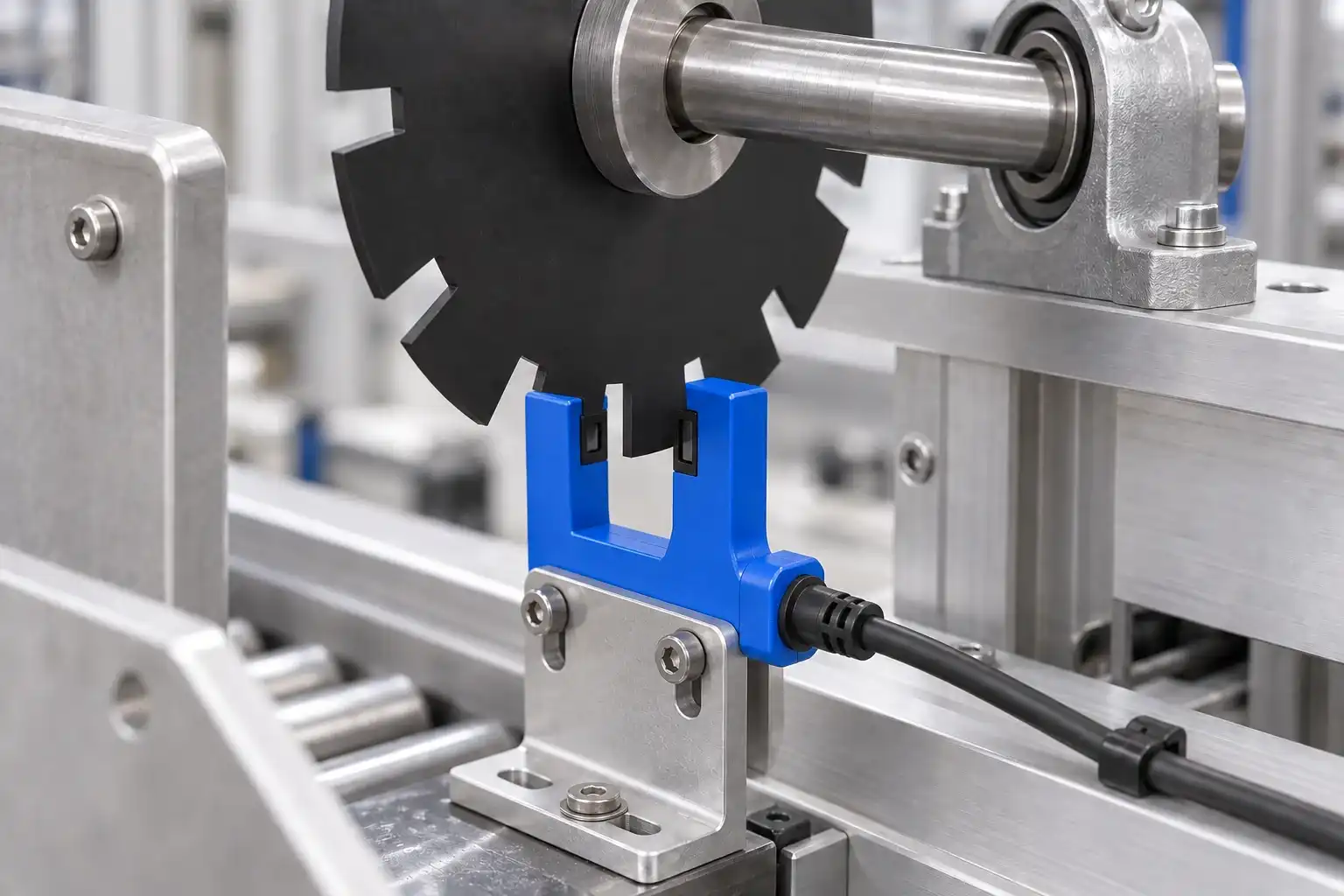
Slotted Disc

  • Align openings with the beam
  • Allow for disc runout
  • Verify pulses at full speed

Output & Connection Options

Verify available options in the model's datasheet.

NPN Output

Sinking output, when specified.
Match the controller input and load.

PNP Output

Sourcing output, when specified.
Check supply voltage and pinout.

Light-ON / Dark-ON

Light-ON switches ON with the beam received. Dark-ON switches ON when the beam is interrupted.

Cable / Connector

Check the connection type and wire assignment. Leave room for cable routing and maintenance.

Industrial Applications
Detect Passing Parts.
Confirm Position.

Slot photoelectric sensors place the emitter and receiver in one fork-shaped housing. Detect opaque tabs, edges or guided parts as they interrupt the beam, with clearance through the opening.

Passing Tab Position Feedback

Use an opaque flag on a moving carriage to signal a selected reference position.

Thin Sheet Edge Detection

Guide an opaque sheet edge through the slot to confirm arrival or passage.

Slotted Disc Pulse Detection

Pass disc openings and solid sections across the beam to generate pulses for a compatible controller.

Guided Small Part Counting

Count individually guided opaque parts that fit the opening and fully interrupt the beam.

Detection Challenges
Keep Every Beam Interruption Consistent

Match the target path to the slot and beam position. Confirm a clean change between beam clear and beam blocked throughout the machine cycle.

Slot Clearance & Alignment

Allow clearance for drift and vibration. Keep the target crossing the beam without contacting either sensor arm.

Target Size & Opacity

Check the minimum target and beam position. Thin or translucent targets may not block enough light.

Pulse Width & Part Spacing

Check blocked and clear intervals against sensor response and controller input timing. Test the closest spacing at line speed.

Dust & Ambient Light

Keep the optical windows clear. Validate the selected model under actual dust conditions and nearby lighting.

Why XSZ Sensor
More Than a Sensor.
A Stronger Partner.

From application review to OEM supply, build a sensing solution around your production line.

Factory-Direct
Manufacturing

Support from
selection to supply.

Application-Based
Selection

Review the target,
slot and signal.

Product
Inspection

Check the selected
configuration.

Sample
Support

Validate on your
actual machine.

Real Factory Trust
Inside Our Sensor Manufacturing Facility

From production to inspection, every step is built for stable quality.

10+Years
50+Countries
OEM/ODMSupport
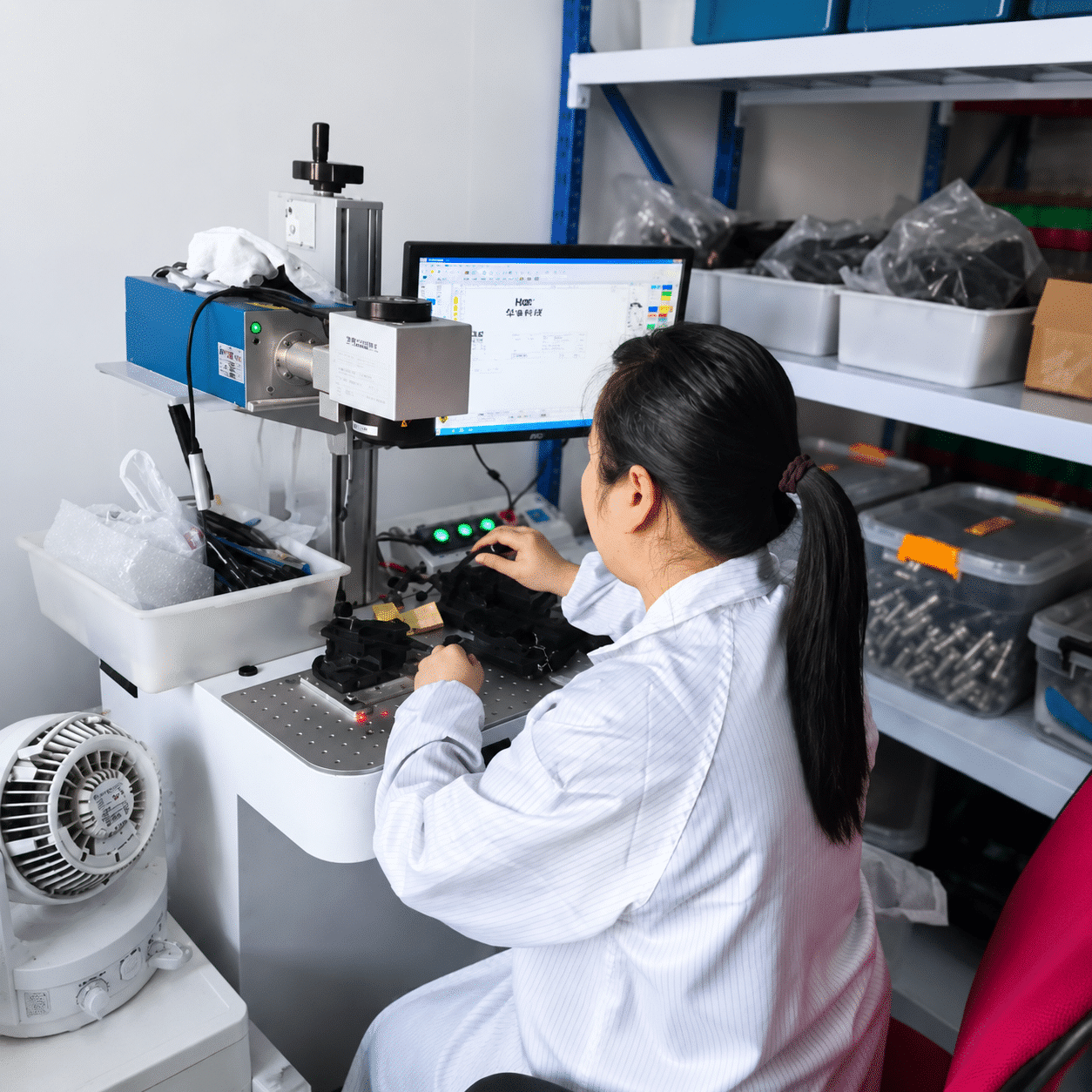
XSZ sensor assembly workstations
XSZ sensor customization workstation
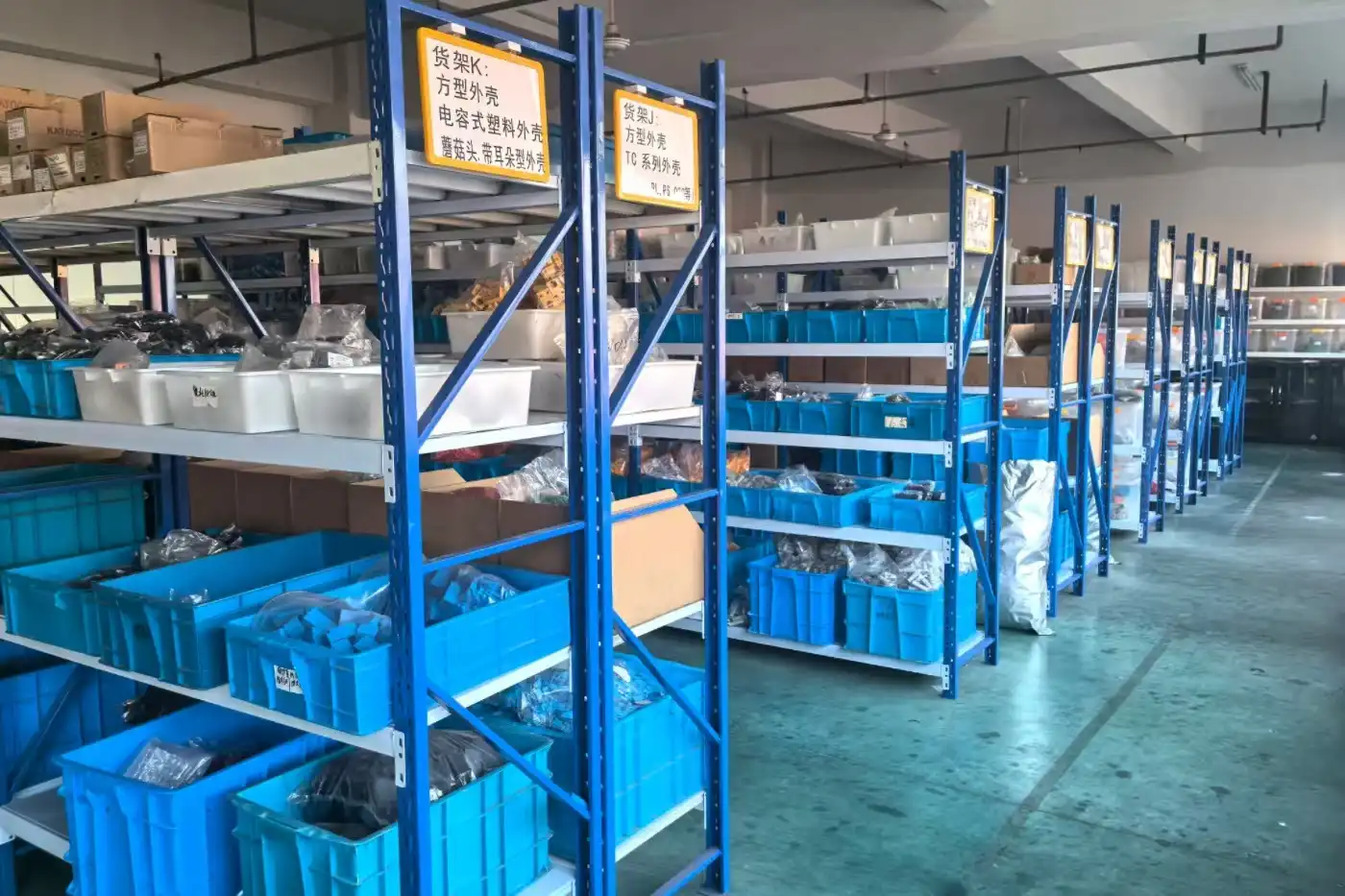
Shelves of sensor components in storage bins
Labeled parts bins on warehouse shelving
Coils of sensor cable stored on a rack
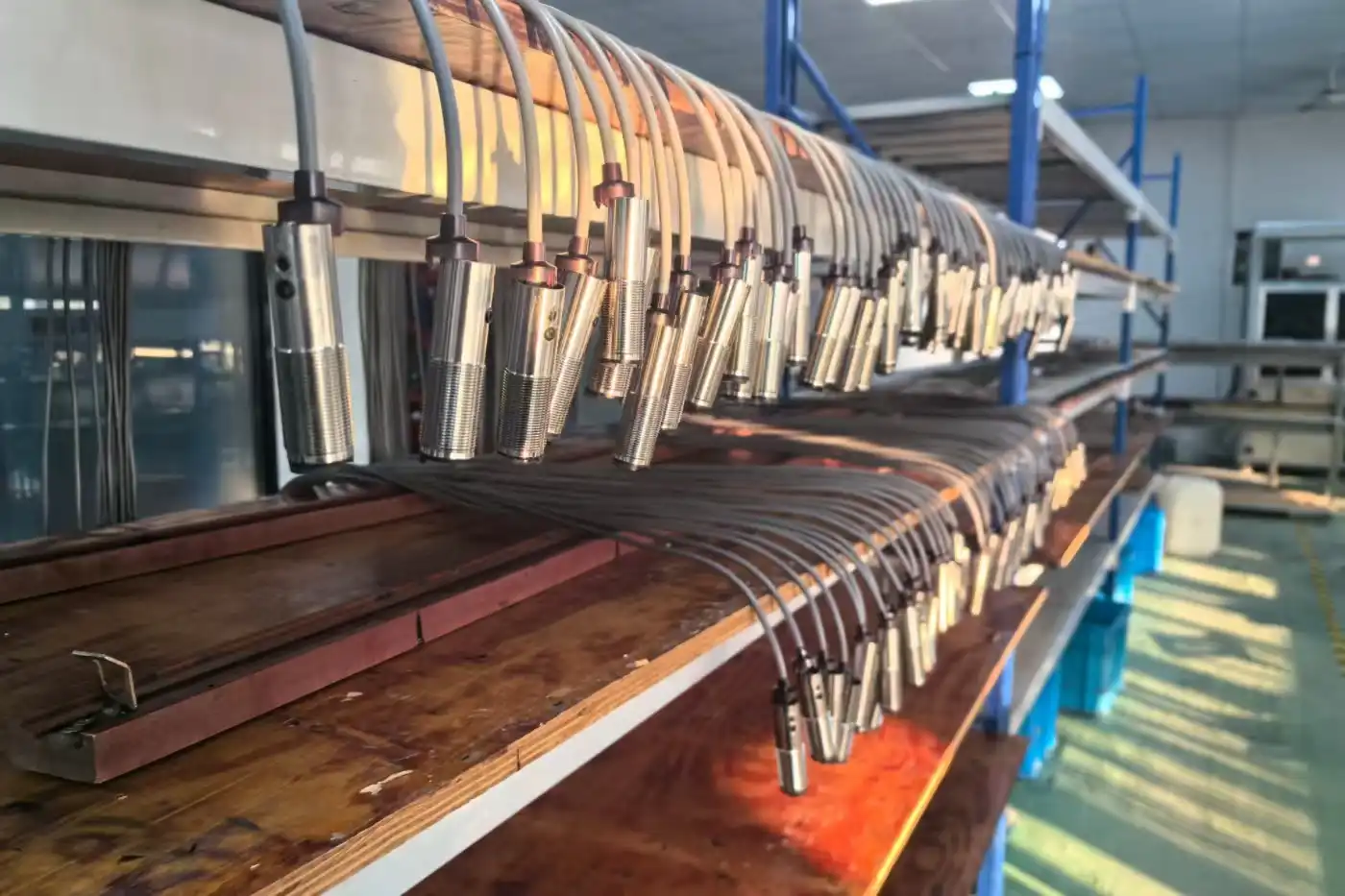
Cylindrical sensors arranged above a workbench
Sensor component workbench with organized parts bins
Cable reels beside sensor assembly workstations

Flexible Solutions for Your Application

Customization & OEM

Share your target dimensions, movement path and mounting space. Our engineering team can review feasible configuration and branding options for your slot photoelectric sensor application.

Housing & Slot Size

Review slot width, slot depth and mounting space against your target path.

Detection Setup

Check the smallest target, beam position and the direction of movement through the slot.

Cable Length

Discuss cable length and routing for your machine layout.

Connection Type

Review available cable or connector options against your wiring requirements.

Output & Timing

Match available outputs and response performance to your controller and cycle speed.

Label / Branding

Discuss custom labels, logos and part numbers for your OEM project.

Explore More

Related Articles

Practical reading for slot sensor selection, small-part detection and installation.

Selection Guide

How to Choose a Slot Photoelectric Sensor

Review slot dimensions, target size, movement path and controller requirements.

Read Article

Sensor Comparison

Slot vs. Diffuse Photoelectric Sensors

Compare beam-interruption detection with reflective sensing for your installation.

Read Article

Application Guide

Detecting Small Parts with Fork Sensors

Check the minimum target, beam position and timing needed for repeatable detection.

Read Article

Common Questions

Frequently Asked Questions

Quick answers to help you select and install a slot photoelectric sensor.

How does a slot photoelectric sensor work?

An emitter and receiver face each other across the slot. A target is detected when it interrupts the light beam. The output behavior depends on the selected model and its light-on or dark-on configuration.

How do I choose the slot width and depth?

Choose enough width for the target and mechanical clearance, and enough depth to reach the required detection point. Check the beam location and minimum detectable target separately; a wider slot does not automatically detect smaller objects.

Does target color affect detection?

For an opaque target that blocks the beam, surface color is usually less important than in reflective sensing. Light transmission, target size and the amount of beam interruption still matter, so test the actual material.

Can a slot sensor detect small or fast-moving parts?

It depends on the model's minimum target and response specifications. Verify part spacing, beam position and the controller's input timing, then test repeated cycles at the actual operating speed.

Can it detect transparent film or clear labels?

Not every optical slot sensor can. Clear materials may transmit too much light for reliable detection. Use a model suited to the material or another sensing technology, and verify it with actual samples.

What should I check during installation?

Place the target path across the specified beam position without touching the fork. Secure the sensor, keep the optical windows clean and check nearby light sources. Verify wiring and switching through the complete motion.

Let's Build a Smarter Tomorrow

Need Help Choosing a Slot Photoelectric Sensor?

Share your target size, movement path, cycle speed and controller requirements. Our technical team can help you review slot dimensions and detection setup.