Description
SZ-JGBJ small square laser sensor range
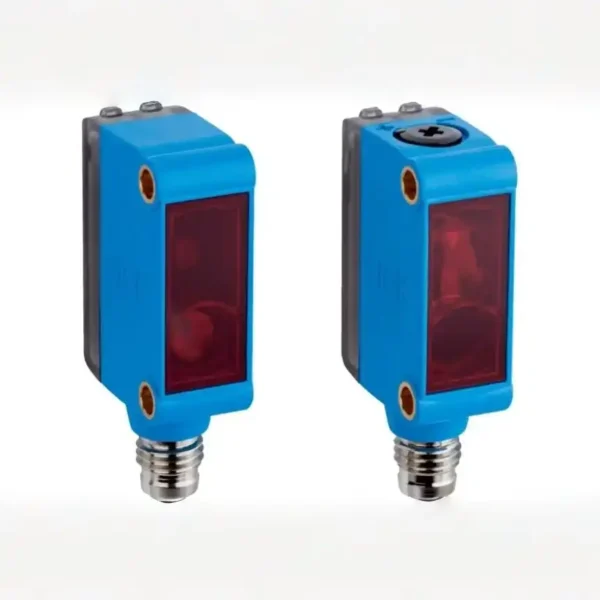
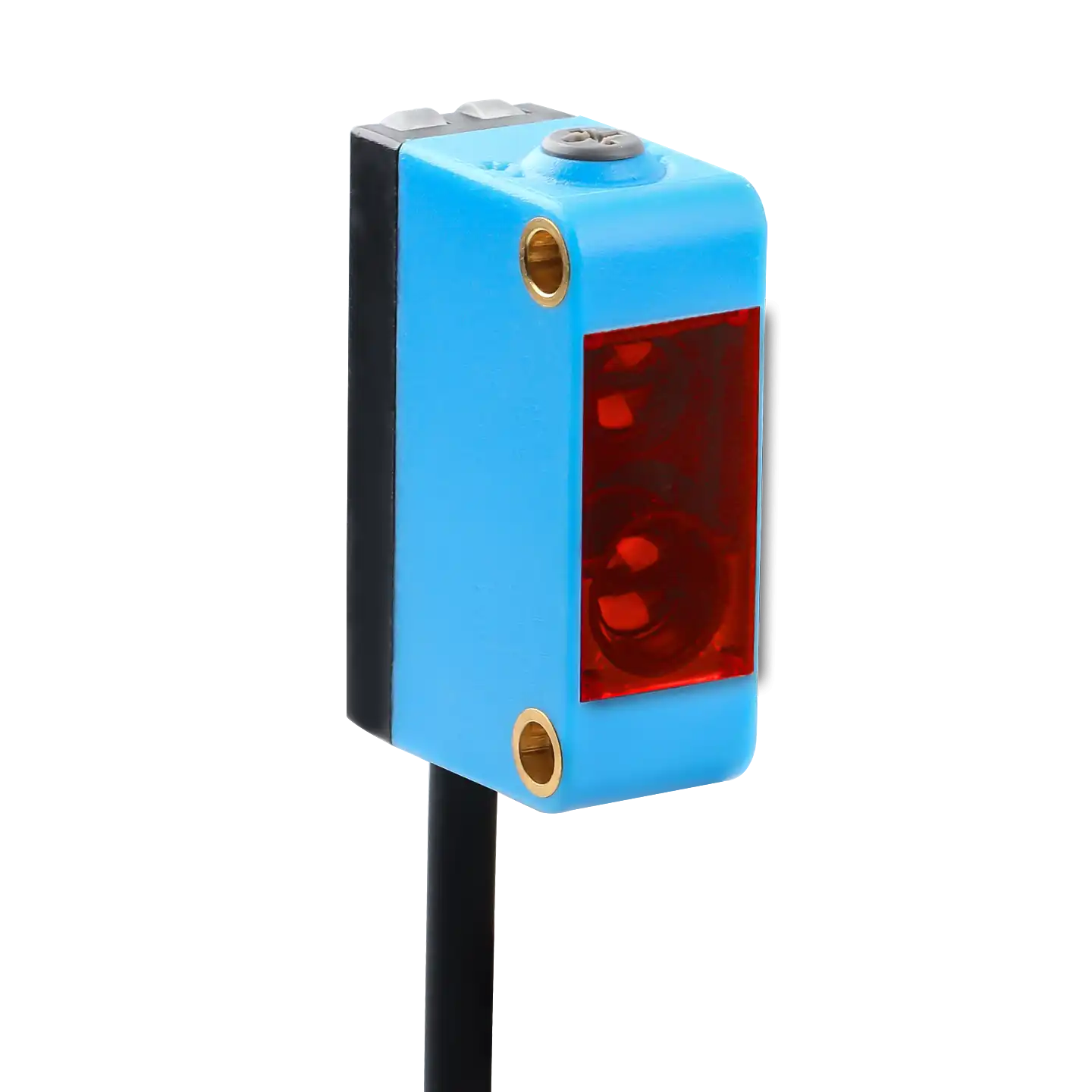
The XSZ SZ-JGBJ series combines a compact square housing with a visible red laser source for photoelectric detection. The series listing presents diffuse-reflective, retro-reflective and through-beam arrangements. Each arrangement uses a different optical layout, so the housing shape alone does not determine the working distance or the target it can detect.
Select the exact model around the target size and surface, sensing distance, available mounting space and controller input. Confirm the beam characteristics, output and laser safety classification for that model before installation.
Choose the optical arrangement
The supplied series listing names three sensing modes. Their exact part numbers and working ranges are not specified in the shared table.
| Sensing mode | What to check for the installation |
|---|---|
| Diffuse-reflective | The target returns light toward the sensor. Test the actual color, finish, size and nearby background at the required working gap. |
| Retro-reflective | Allow space for the reflector specified for the selected model and verify alignment and reliable beam interruption by the target. |
| Through-beam | Plan mounting and wiring on both sides of the detection path for the matched emitter and receiver. Verify their rated separation and alignment. |
SZ-JGBJ series specifications
The figures below are supplied at series level. Use the current datasheet for the exact optical and electrical model to establish its final specification and wiring.
Optics and housing
| Housing format | Small square / rectangular polymer housing |
|---|---|
| Listed sensing modes | Diffuse-reflective, retro-reflective and through-beam options |
| Light source | Visible red laser; verify wavelength and laser classification for the selected model. |
Power, output and response
| Listed power supply | 10–30 VDC; confirm the exact allowable limits and ripple specification for the chosen model. |
|---|---|
| Control output options | NPN or PNP open collector; confirm the selected model’s output. |
| Switching mode | Light-ON / Dark-ON selectable, as listed; verify how this is configured on the selected model. |
| Maximum load current | 100 mA |
| Response time | 1 ms maximum, as listed; confirm against the exact model and detection task. |
Protection and operating environment
| Listed protection circuits | Reverse supply-polarity and output short-circuit protection |
|---|---|
| Operating temperature | −10 to +50 °C |
Selection and installation checks
For small parts or narrow features, compare the target size with the beam spot at the actual working distance. A visible spot is an alignment aid, not a guaranteed minimum detectable object size. Validate detection with representative parts and the intended background at production speed.
Confirm for the exact SZ-JGBJ model
- Optical mode, rated distance and beam spot size under stated test conditions.
- Housing dimensions, mounting holes, beam direction, reflector or matched emitter/receiver where required.
- NPN/PNP output, Light-ON/Dark-ON behavior, supply limits, connector or cable and approved wiring diagram.
- Laser safety label and instructions, environmental rating, target finish, ambient light and lens contamination at the installation point.
Potential detection tasks
A compact laser photoelectric sensor may be evaluated for presence checks on small components, fixture-position confirmation or part passage through a defined beam path. Suitability depends on the selected sensing arrangement, target surface, background, line speed and installation conditions; test the actual parts before specifying a model.
Frequently asked questions
Does every SZ-JGBJ sensor use the same sensing mode?
No. The series listing names diffuse-reflective, retro-reflective and through-beam options. The available mode and working range must be matched to an exact part number.
Can the visible spot establish the smallest detectable object?
No. Spot size and minimum detectable object are different specifications. Check the beam profile and test the actual target at the intended distance and speed.
Is the series available with NPN and PNP outputs?
Both are listed as options. Confirm the output of the selected model and its wiring compatibility with the controller input.
What laser safety class applies?
The classification depends on the exact model. Check its product label and current safety documentation before installation or operation.