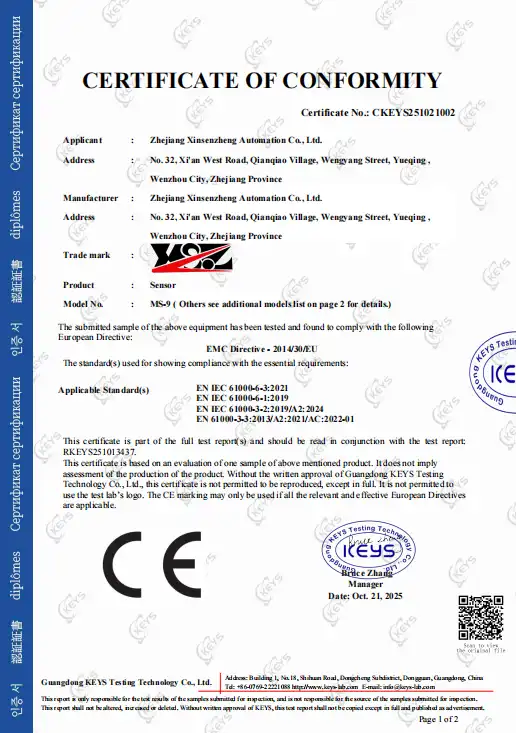
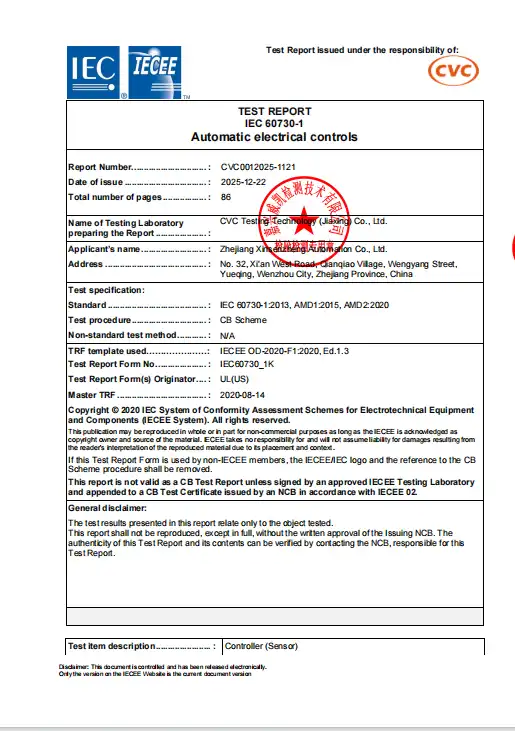
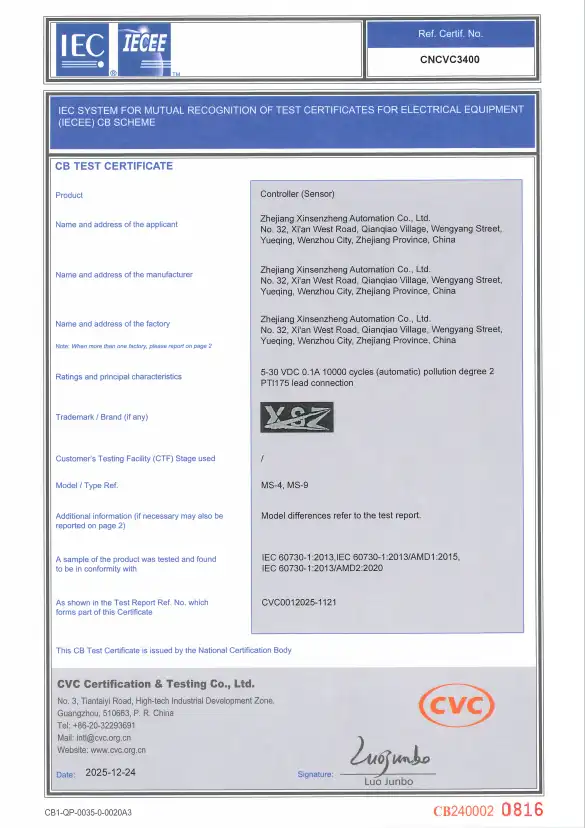
Professional Industrial Sensor Manufacturer
XSZ Sensor
Sensor Solutions for Machine Tools

Reliable detection for workpiece handling, clamping, tool changing, coolant monitoring, and automated machining cells.

Find the Right Sensor
  • Workpiece Detection

    Check part arrival and fixture presence

  • Clamp Position

    Detect clamp and fixture end positions

  • Tool Presence

    Check tool holders before transfer

  • Coolant Level

    Monitor coolant reservoir fill level

  • Machine Safety

    Monitor access at guarded loading areas

Where Sensors Work in Machine Tools

From workpiece loading to unloading, sensors support presence checks, clamp positioning, tool handling, and coolant monitoring.

10 Key Detection Points in Machine Tools
No.Process / CheckpointDetection taskSensor starting point
01Workpiece FeedingDetect parts arriving at the loading stationPhotoelectric or inductive proximity sensor
02Workpiece PresenceCheck that a metal workpiece is in the fixtureInductive sensor matched to target metal and gap
03Fixture / Clamp PositionDetect clamp end positions, not clamping forceInductive proximity sensor
04Tool Holder PresenceCheck for a metal tool holder in a magazine pocketInductive sensor matched to holder geometry
05Tool Changer PositionConfirm changer arm or mechanism end positionsInductive proximity sensor
06Pneumatic Cylinder PositionDetect end positions of a magnetic pistonMagnetic cylinder switch
07Slide End PositionDetect a metal reference flag at the travel endpointInductive proximity sensor; not axis metrology
08Pallet TransferConfirm pallet arrival at the transfer stationInductive proximity or photoelectric sensor
09Coolant Tank LevelCheck reservoir level with a compatible installationCapacitive level sensor matched to liquid and tank
10Guarded Loading AccessDetect entry at the guarded loading areaSafety light curtain; risk assessment required
When StandardDetection IsNot Enough

Machine tools operate around metal chips, coolant, and moving fixtures. Changing workpieces, vibration, and limited mounting space make reliable detection more demanding.

  • Chips and Coolant

    Metal chips can collect near sensing faces. Coolant exposure requires suitable sensor housings, seals, cables, and connections.

  • Changing Workpieces

    Different metals, part sizes, and loading positions can change the available target area and the usable detection gap.

  • Compact Mounting Space

    Nearby metal, fixture travel, and vibration can restrict sensor placement. Mounting must leave room for both sensing and movement.

Three Application Examples

From workpiece loading to tool changes, verify sensing with actual targets, mounting conditions, and machine-cycle timing.

01
Workpiece presence
  • Problem

    Different target metals, loading tolerances, or nearby chips can make part-presence signals inconsistent.

  • Test

    Test each real workpiece and the empty fixture across allowed gaps, with representative chip and coolant conditions.

  • Direction

    Use inductive sensing for a defined metal target. Confirm material response, mounting clearance, and coolant compatibility.

02
Fixture position check
  • Problem

    Short fixture travel and surrounding metal can make open and closed positions difficult to distinguish.

  • Test

    Cycle the fixture through both positions and check switching repeatability under actual mounting tolerances and vibration.

  • Direction

    Detect a defined metal flag or moving fixture feature. Position feedback alone does not establish clamping force.

03
Tool magazine indexing
  • Problem

    Small indexing targets, changing gaps, or short signal windows can make magazine-position detection unreliable.

  • Test

    Run the magazine through its indexing cycle at actual speeds and verify that the controller captures every target signal.

  • Direction

    Detect a fixed metal indexing feature and match sensor response to the controller input. This is not a tool-wear check.

Why Work with xsz sensor for Machine Tools

xsz sensor supports machine tool automation with sensor R&D, manufacturing and application support. From workpiece presence and fixture position to tool-holder detection and machine reference points, we help you review the target, sensing distance, installation space and control requirements before selecting a sensing solution.

Sensor Engineering

Review workpiece material, surrounding metal, target movement and sensing distance to select a detection method for machine tool equipment.

Production and Inspection

Manufacturing, functional testing and final inspection support consistent sensor supply for machine builders, equipment upgrades and repeat orders.

Application Support

Get technical support for workpiece presence, fixture position and tool-holder detection, including installation and machine control interface requirements.

Inside Our Factory

From component preparation and sensor assembly to functional testing and final inspection, xsz sensor manages production processes to support consistent quality and repeat supply for industrial automation projects.

Plan Your Machine Tool Sensor Order

Share the detection task, machine layout and control requirements for your machine tool equipment. These key points help our team review suitable sensor options before sampling and ordering.

Target and Sensing Task

Define the workpiece, clamp, tool holder or moving machine part to detect. Include material, target size, travel path and required sensing distance.

Mounting and Environment

Review mounting clearance, nearby metal, vibration, cutting fluid, metal chips and operating temperature. Confirm exposure and protection requirements at the installation point.

Output and Electrical Interface

Confirm supply voltage, PNP or NPN output, NO or NC logic, connector and PLC or CNC input compatibility. Check switching speed and any special interface requirements against the selected model.

Samples and Validation

Test samples on the actual machine through repeated cycles. Check detection margin, trigger repeatability and the effects of surrounding metal, coolant and chip buildup.

Customization Options

Discuss housing dimensions, flush or non-flush mounting, cable routing, connector type and sensing distance for the available installation space.

Delivery and Support

Share machine quantities, build schedules, maintenance needs and spare-part requirements so sensor supply and technical support can be planned for your equipment.

Sensor Selection Checklist

Prepare target details, travel speed, sensing distance, mounting clearance, coolant exposure and electrical requirements before inquiry.

Prepare Your Inquiry

Send machine photos, installation drawings, target details and PLC or CNC input requirements to help us review the application.